
 EN
EN
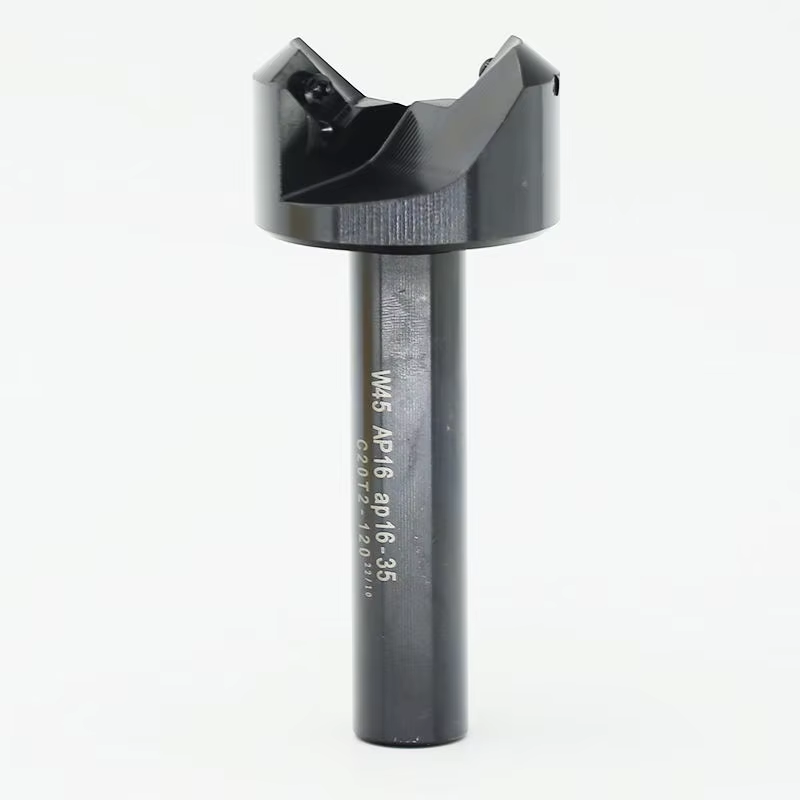
Match Carbide Tools to Machining Materials Precisely
The first and most fundamental tip to extend carbide tool life is matching the right carbide tool grade and type to the specific machining material, a step that’s often overlooked but avoids unnecessary wear from the start. With 15+ years in the precision tool industry, I’ve seen a client ruin a batch of carbide inserts by using general-purpose carbide tools to cut high-hardness 42Cr steel—this mismatch made the inserts dull in hours, while our dedicated coarse-grain carbide inserts for hard metals would have lasted for days. Our company offers a full range of carbide tools tailored to different materials: fine-grain carbide for soft metals like aluminum and wood, coarse-grain carbide for alloy steel and stainless steel, and diamond PCD-coated carbide for non-ferrous metals and composites. Tool engineering experts confirm that material-tool mismatch is the top cause of premature carbide tool failure, as the wrong carbide grain size or coating can’t withstand the material’s hardness or abrasiveness. We also provide free material-matching guidance for all our clients, with our professional technical team recommending the exact carbide tool—whether it’s a carbide insert, solid carbide end mill, or carbide twist drill—for their specific workpiece. This precise matching is the easiest way to cut down on early wear, and our carbide tools’ high-precision manufacturing ensures they perform optimally when paired with the right material.
Optimize Machining Parameters for Carbide Tool Performance
Optimizing CNC machining parameters—feed rate, cutting speed, and depth of cut—is critical to extending carbide tool life, as incorrect parameters create excessive heat and pressure that wear down carbide cutting edges fast. I once worked with a mold manufacturing client who was running their carbide micro-boring tools at overly high cutting speeds, leading to rapid edge chipping and tool breakage. After our team calibrated their parameters to match our carbide tools’ specs—lowering speed and adjusting feed rate for ultra-precise micro-boring—their carbide tool life tripled instantly. Our company provides detailed parameter guidelines for every carbide tool we produce: for example, our Altin-coated carbide end mills have a recommended cutting speed of 150-200m/min for mild steel, while our solid carbide twist drills for deep holes use a slower speed to reduce heat buildup. CNC machining experts emphasize that carbide tools perform best at a "sweet spot" of parameters—too fast and heat softens the carbide binder, too slow and chip buildup causes abrasion. We also design our carbide tools with features that complement optimal parameters, like the inner cooling channels in our crown deep hole U-drill’s carbide bits, which work with calibrated speeds to keep the cutting zone cool. Taking the time to set parameters to our guidelines eliminates unnecessary stress on carbide tools, keeping them sharp and functional for far longer.
Use High-Quality Cutting Fluid and Apply It Correctly
Proper use of high-quality cutting fluid is a game-changer for extending carbide tool life, as it cools the cutting zone, reduces friction between the carbide tool and workpiece, and flushes away chips that cause abrasive wear. A long-term automotive parts client once skipped cutting fluid to save time, and they noticed their carbide turning inserts wore out 4x faster than usual, with rough cutting edges and poor part quality. After switching to our recommended cutting fluid—soluble oil for general carbide tools, neat oil for coated carbide—and applying it continuously at the cutting zone, their carbide insert life returned to normal, and their machining precision improved too. Material science experts state that cutting fluid forms a protective film on carbide surfaces, preventing direct metal-to-metal contact that causes friction and heat. Our carbide tools are engineered with optimized flutes and grooves that hold and direct cutting fluid straight to the carbide cutting edge, making the fluid far more effective than it is with generic tools. We also advise clients to avoid over-diluting cutting fluid and to clean the fluid delivery system regularly to ensure consistent flow—clogged nozzles leave carbide tools uncooled and unlubricated. For our diamond PCD-coated carbide tools, we recommend specialized synthetic cutting fluid that won’t damage the coating, a small detail that keeps these high-performance carbide tools in top shape for months.
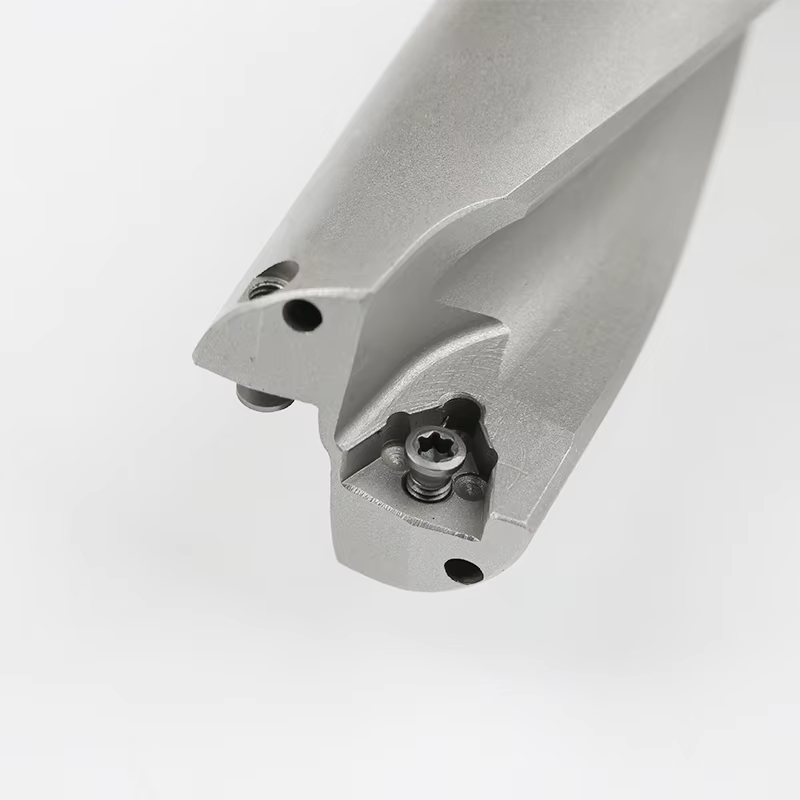
Practice Proper Carbide Tool Handling and Storage
Carbide tools are super hard but also brittle, so proper handling and storage are simple yet effective tips to extend their life by avoiding accidental damage like chipping or bending. I’ve seen many small workshops damage carbide inserts and solid carbide drills by tossing them into unorganized toolboxes, where they knock against other tools and chip the cutting edges. Our company provides dedicated storage solutions for all our carbide tools: plastic cases for carbide inserts with individual slots, foam-lined holders for solid carbide end mills and twist drills, and hard plastic sleeves for carbide tool shanks. We also teach clients basic handling rules: never drop carbide tools, use soft plastic tweezers to handle small carbide inserts, and avoid clamping carbide tools too tightly in chucks (our ER32 collect chucks have a precision clamping system that holds carbide tools securely without over-tightening). CNC tool maintenance experts confirm that even tiny chips on carbide cutting edges lead to accelerated wear, as the chip creates uneven pressure during cutting. Our carbide tools feature reinforced cutting edge geometry to resist minor impacts, but proper handling still prevents avoidable damage that shortens tool life. Storing and handling our carbide tools with care means they arrive at the cutting zone in perfect condition, with no pre-existing damage to slow them down.
Perform Regular Carbide Tool Maintenance and Resharpening
Regular maintenance and professional resharpening are the final key tips to extend carbide tool life, as they restore dull cutting edges and remove minor wear before it becomes a major issue—our company offers comprehensive maintenance and resharpening services as part of our after-sales support. A woodworking and metal fabrication client once thought their carbide tools were "spent" when they started cutting poorly, but our professional resharpening service restored the carbide cutting edges to like-new condition, and the tools performed just as well as new for another round of heavy machining. We recommend clients inspect their carbide tools after every shift: clean the carbide cutting edges with a soft brass brush to remove chip buildup (never use steel wool, which scratches carbide), check for minor chipping or wear, and send dull carbide tools to our professional resharpening team instead of discarding them. Our resharpening process uses high-precision CNC grinders that match the original geometry of our carbide tools—critical for maintaining performance, as incorrect resharpening ruins carbide tool precision. Tool maintenance experts state that professional resharpening can extend carbide tool life by 50% or more, and our sufficient inventory of carbide replacement parts means clients never have to wait for sharpened tools to get back to production. We also provide free maintenance training for our clients, teaching them how to clean and inspect our carbide tools to catch early wear signs—this proactive approach ensures our carbide tools deliver maximum value, with a longer functional life and lower replacement costs for manufacturers.