 EN
EN
Basic Principles of CNC tool selection for real machining
Choosing the right CNC tool is one of the most important steps to ensure efficiency, precision and cost control in machining. With more than 15 years of experience in the CNC tool industry, I have personally helped hundreds of manufacturers solve tool selection problems. I once worked with a factory that was struggling with short tool life, frequent breakdowns and unstable dimensional accuracy. After we analyzed their workpiece materials, machine performance and processing steps, and replaced them with suitable CNC tool solutions, their production efficiency increased by more than 30%, and tool consumption decreased significantly. This case shows that correct CNC tool selection is not only about buying a tool, but about optimizing the entire production process. Our company is a professional CNC tool supplier, providing a full range of products including turning tools holders, carbide inserts, PCD inserts, drills, milling cutters, taps, chucks and more. We always follow the basic principles of safe, stable, efficient and cost-effective in tool selection, and provide targeted guidance for different working conditions. According to industry processing experts, the primary principle of CNC tool selection is that the tool material matches the workpiece material, followed by structural adaptability, accuracy level and stability, which together determine the final processing effect.
Matching between CNC tool material and workpiece material
The core of CNC tool selection is to match the tool material with the processed material, which directly affects tool life, surface quality and processing efficiency. Different materials have different hardness, toughness, thermal conductivity and processing characteristics, so the requirements for CNC tool are completely different. For example, steel parts require good wear resistance and high-temperature stability; stainless steel is easy to stick to the knife and produce work hardening, needing excellent heat resistance and anti-adhesive properties; cast iron has strong abrasive wear, requiring high hardness and wear resistance of the tool; non-ferrous metals such as aluminum alloy need sharp edges and good thermal conductivity. Our CNC tool covers a full range of materials, including solid carbide, coated carbide, PCD and other options, which can meet the processing needs of various materials. We produce more than 5 million inserts annually, with a complete range of metric, British and American system tools, leading in the country. Materials research experts point out that reasonable material matching can reduce tool wear by more than 40% and significantly improve processing stability. Each CNC tool provided by our company has a clear application range, which can accurately match the workpiece material and avoid problems such as rapid damage, chipping and poor surface quality caused by material mismatch.
CNC tool structure selection based on processing technology and shape
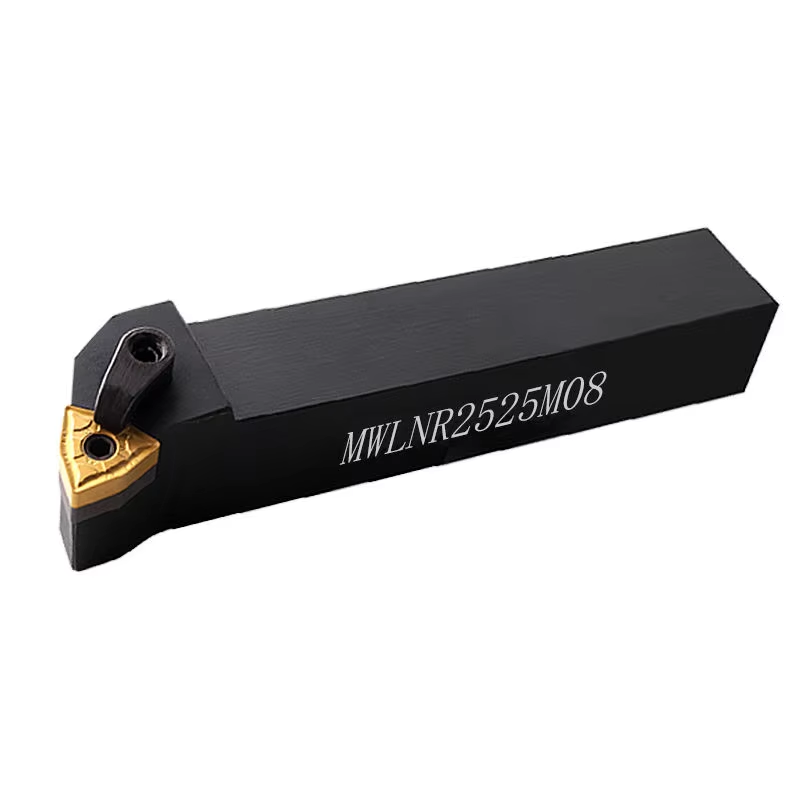
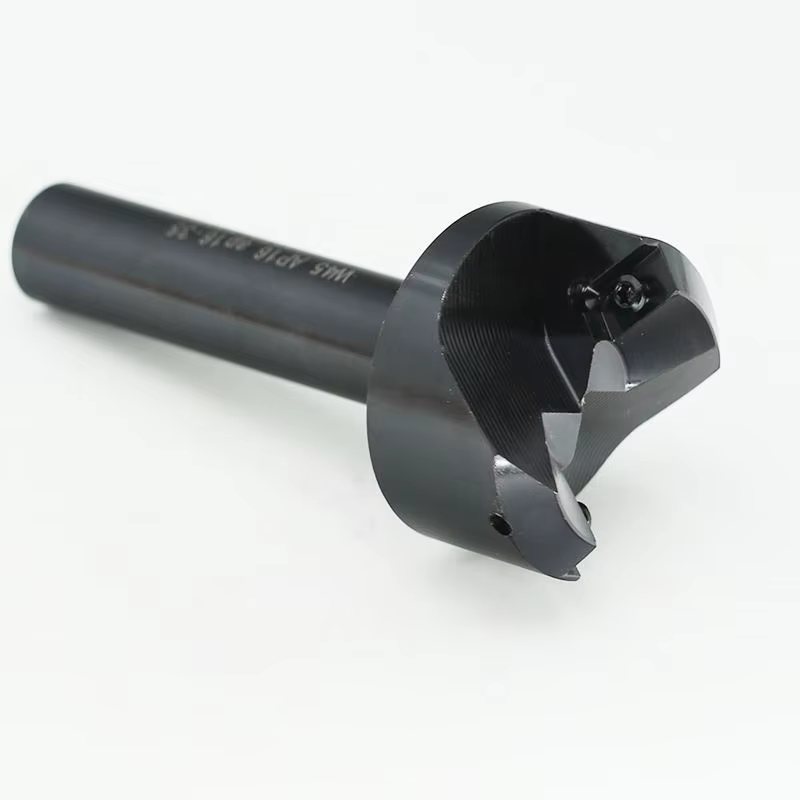
The structure of CNC tool must match the processing technology and workpiece shape, which is the key to achieve smooth processing and ensure accuracy. Different processes such as turning, milling, drilling, tapping, boring have different requirements for tool structure. For plane and contour processing, suitable milling cutters should be selected; for hole processing, drills, reamers and boring tools need to be matched; for thread processing, special taps or thread inserts are required; for groove processing, special grooving cutters are more efficient. At the same time, the size of the tool must match the processing space and shape to avoid interference and ensure smooth feeding. Our CNC tool product line is complete, including indexable milling cutter bars, deep hole U-drills, turning tools holders, ER chucks and other standardized and serialized products, and supports OEM and ODM non-standard customization. We have advanced R&D and production equipment to provide targeted structural design for complex working conditions. Processing technology experts emphasize that reasonable tool structure can reduce processing steps, improve positioning accuracy and reduce cumulative error. Whether it is mass production or single-piece small-batch processing, our CNC tool can provide stable structural support, making the processing path smoother and the size more accurate.
Accuracy, rigidity and stability requirements of CNC tool
High precision, sufficient rigidity and stability are essential requirements for CNC tool, which are crucial to ensure processing quality and production continuity. In modern CNC machining, the dimensional accuracy and form and position accuracy of parts are increasing, so the tool itself must have high precision, including dimensional accuracy, positioning accuracy and repeatability. At the same time, the tool must have enough rigidity to avoid vibration and deformation during cutting, which affects the surface roughness and dimensional stability. Our CNC tool adopts high-precision manufacturing technology, and all products have passed strict quality testing to ensure stable accuracy. The tool holder and cutter bar are made of high-quality materials with strong rigidity and good stability, which can maintain stable performance under high-speed and heavy-load conditions. We have a professional quality control system to ensure that each CNC tool meets international advanced standards. Equipment manufacturing experts point out that tools with good stability can reduce downtime caused by tool changes and failures, and significantly improve overall production efficiency. Whether it is precision finishing or high-efficiency roughing, our CNC tool can maintain stable performance and bring reliable processing results.
Cost-effective and service support of CNC tool
In CNC tool selection, cost-effective and perfect service support are important factors that cannot be ignored. High-quality tools are not necessarily the most expensive, but can reduce comprehensive costs such as tool loss, downtime and rework. Our company has a professional R&D team and large-scale production capacity, with annual output of more than 5 million inserts, sufficient supply and stable supply. We adopt a direct sales model, with competitive prices, reliable quality and on-time delivery. At the same time, we provide comprehensive pre-sales consultation, in-sales matching and after-sales support, and can provide personalized solutions according to customer equipment, materials and processing requirements. Many customers have reported that after using our CNC tool, the overall processing cost has been reduced and efficiency has been improved. Industry economic evaluation experts point out that excellent tool suppliers can not only provide products, but also create value for customers through professional services. With more than 15 years of industry experience, we have been adhering to the concept of quality first and service-oriented, providing customers with cost-effective CNC tool and professional technical support to help customers achieve efficient and stable machining production.