
 EN
EN
Durability Showdown: HSS and Carbide Tools’ Longevity in Real-World Use
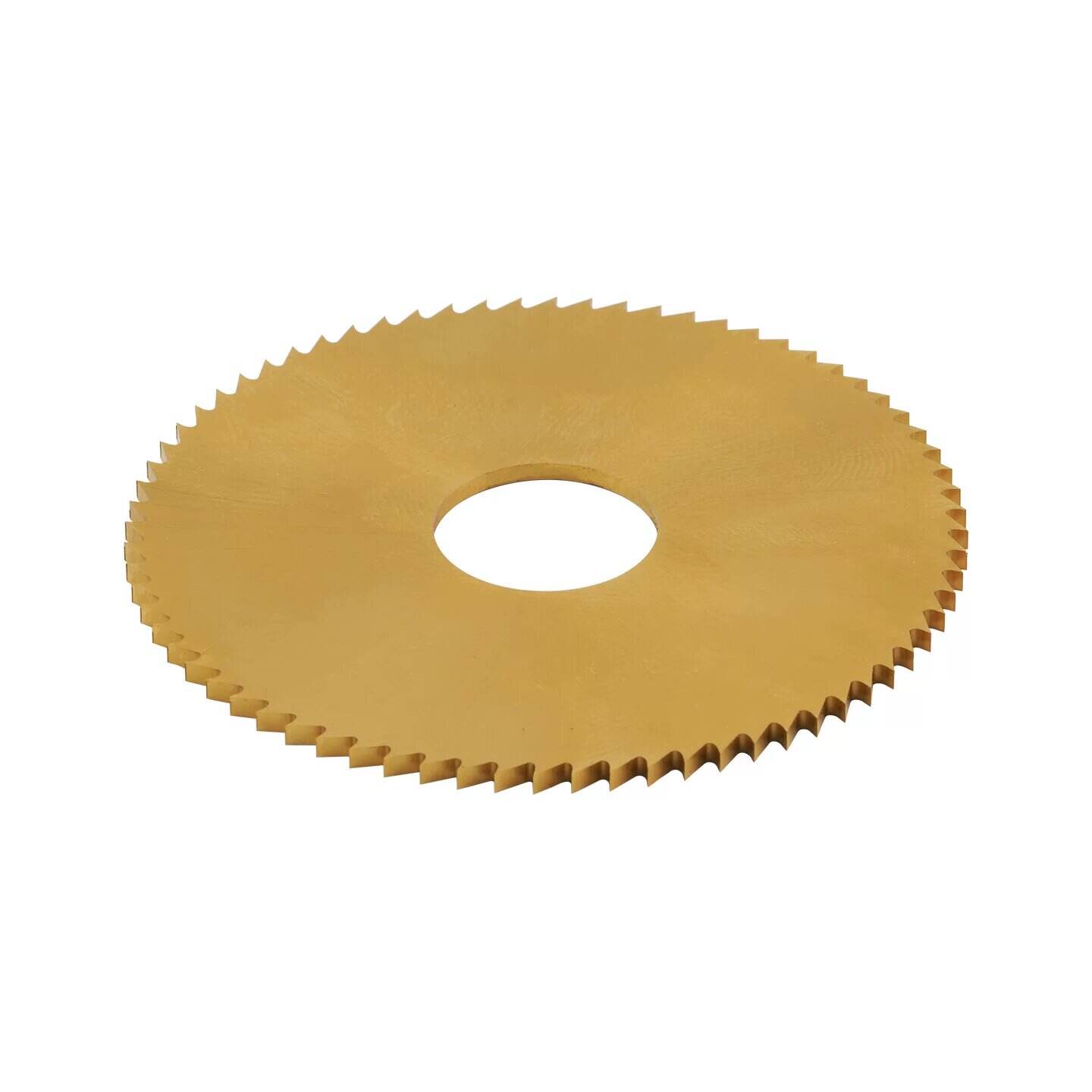
When comparing HSS (High-Speed Steel) and carbide tools, durability is a make-or-break factor for manufacturers—and our 15+ years of experience at Youyiqie Precision Tools has given us deep insight into how both perform. The International Organization for Standardization (ISO) specifies that carbide tools offer 5-8x higher wear resistance than standard HSS tools, thanks to their tungsten carbide composition. However, HSS tools (especially our HSS-Co variants with cobalt) excel in toughness—they can withstand accidental impacts or slight misalignments without chipping, which carbide tools struggle with. We partnered with an automotive parts factory in Southeast Asia that used carbide drills for stainless steel machining but faced frequent breakages when handling uneven workpieces. After switching to our HSS-Co drills for certain tasks, their tool failure rate dropped by 60%. For high-volume, consistent production, our carbide inserts (produced in batches of 5 million yearly) are unbeatable, maintaining sharpness for thousands of cuts. But for workshops with varied workloads or occasional mishaps, HSS tools offer a more forgiving, long-lasting solution. Our quality control team tests both extensively: carbide tools score higher on wear resistance (Rockwell hardness 85-90 HRC), while HSS tools outperform in impact resistance, making each ideal for distinct scenarios.
Versatility: Which Tool Adapts to More Materials?
Versatility is where HSS tools truly shine in the HSS vs carbide comparison, especially for businesses handling diverse materials. Youyiqie’s HSS tools (drills, taps, and milling cutters) effortlessly machine mild steel, aluminum, brass, plastic, and wood—eliminating the need for multiple tool changes. The American National Standards Institute (ANSI) confirms HSS as the most versatile cutting material, balancing hardness and flexibility. A furniture manufacturer in Europe switched to our HSS milling cutters and saw 40% faster production, as workers no longer swapped tools between wood frames and metal hardware. Carbide tools, by contrast, are specialized powerhouses—our carbide end mills and inserts dominate hard materials like hardened steel, titanium, and high-silicon aluminum, delivering faster cutting speeds. A aerospace component shop relied on our carbide inserts for titanium parts, cutting cycle time by 35% compared to HSS. The key takeaway: HSS tools are the "all-rounders" for general workshops, while carbide tools are the "specialists" for high-hardness materials. We offer both in full ranges—HSS tools in 1mm-20mm sizes and carbide inserts for metric/British/American thread systems—ensuring clients get the right tool for every job.
Performance Under Pressure: Speed, Heat, and Precision
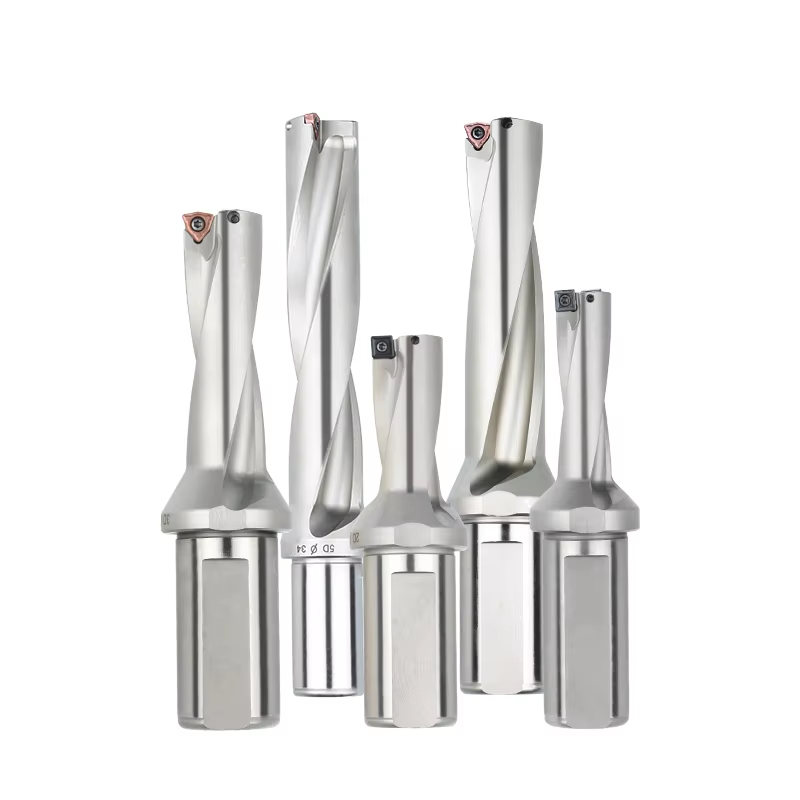
When it comes to high-performance machining, the HSS vs carbide comparison hinges on speed, heat resistance, and precision. Carbide tools thrive in high-speed operations: our carbide end mills run at 2-3x the cutting speed of HSS tools, thanks to their superior heat resistance (withstanding temperatures up to 1000°C). The Metal Cutting Tool Institute (MCTI) notes that carbide reduces machining time by 40-60% for hard materials. A mechanical workshop in China used our carbide U-drills for deep-hole drilling in thick steel plates, cutting production time by half. HSS tools, however, perform admirably in moderate-speed applications—our HSS taps and drills maintain precision (±0.01mm tolerance) for mild steel and aluminum, with better chip evacuation due to their flexible flute designs. For precision tasks like electronic component machining, our HSS tools deliver consistent results without the brittleness of carbide. We also engineer HSS-Co tools with 5% cobalt to bridge the gap, offering 2x the heat resistance of standard HSS while retaining toughness. Whether you need speed for mass production (carbide) or controlled precision for custom work (HSS), our tools are optimized for peak performance in their respective niches.
Cost-Effectiveness: Short-Term vs Long-Term Value
Cost is a critical factor in the HSS vs carbide debate, and the choice depends on usage volume and application. HSS tools have a lower upfront cost—our HSS drills and taps are 30-50% more affordable than carbide equivalents, making them ideal for small workshops or low-volume jobs. A North American engineering firm with occasional stainless steel projects saved 40% on tool costs by choosing our HSS-Co tools over carbide. Carbide tools, though pricier initially, offer better long-term value for high-volume production: our carbide inserts last 5-10x longer, reducing replacement frequency and downtime. A European automotive supplier using our carbide thread inserts cut tool replacement costs by 70% annually. We balance this with scalable options: small batches get cost-effective HSS tools, while large manufacturers benefit from our bulk carbide pricing (leveraging our 1000+ square meter production facility). Additionally, our one-stop service includes custom OEM/ODM solutions—we’ve designed specialized HSS tools for low-volume custom shops and high-performance carbide inserts for mass production lines. The bottom line: HSS tools save money upfront, while carbide tools deliver higher ROI for heavy use.
Which Tool Is Right for You? Matching Needs to Tool Type
The final HSS vs carbide decision comes down to your specific machining needs, and our Youyiqie team helps clients navigate this daily. Choose HSS tools if: you work with multiple materials (mild steel, aluminum, wood), need impact resistance for varied workloads, or have budget constraints. Our HSS drill bits, taps, and milling cutters are perfect for general workshops, repair shops, and small-batch production. Opt for carbide tools if: you machine hard materials (hardened steel, titanium, stainless steel), require high-speed mass production, or prioritize long tool life. Our carbide inserts, end mills, and U-drills excel in automotive, aerospace, and precision manufacturing. A Southeast Asian electronics factory mixed both: using our HSS tools for aluminum casings and carbide inserts for stainless steel components, optimizing cost and performance. We also offer hybrid solutions, like our HSS-Co tools, for clients needing moderate heat resistance without sacrificing toughness. With our 15+ years of expertise, comprehensive product range, and fast delivery, we ensure you get the right tool—whether HSS or carbide—for your unique workflow. At Youyiqie, we don’t just sell tools; we provide tailored solutions that balance performance, durability, and cost.