
 EN
EN
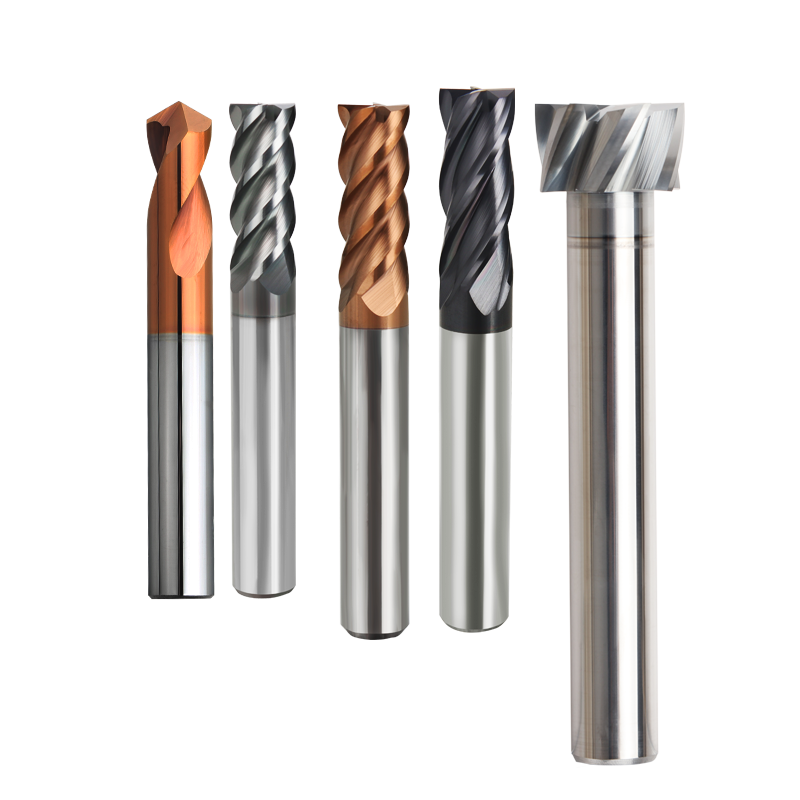
What Exactly Is a Drill Bit and Its Core Roles
A drill bit is the core cutting component of drilling tools, a small but mighty part that carves precise holes into various materials like metal, wood, and alloy in CNC machining. Having worked in the precision tool industry for over 15 years, I’ve seen how a well-crafted drill bit can make or break a machining project—from small electronic component holes to large industrial part bores, every drilling task relies on a high-quality drill bit to deliver accuracy. Our company specializes in manufacturing a full range of drill bits, including the crown deep hole U-drill with inner cold shedding type and pull back drill bit shank, each engineered for specific machining needs. Industry tool experts define a drill bit as a rotary cutting tool with one or more cutting edges, whose primary function is to remove material through axial movement and rotary cutting to form a hole. Unlike ordinary drill bits on the market, our drill bits are made with premium carbide and diamond PCD inserts, the same high-grade materials we use for all our CNC tools, ensuring they stand out in both hardness and wear resistance. Whether it’s for light-duty woodworking drilling or heavy-duty metal deep hole machining, our drill bits are designed to be the reliable core of the drilling process, matching the professional standard of China’s largest tool market where our company is based.
The Basic Working Principles of a Drill Bit
Understanding how a drill bit works is key to choosing the right one for machining, and it all boils down to the synergy of rotary cutting and axial feeding, with subtle design tweaks for different materials and hole types. From my daily work with clients, I’ve found that many manufacturers struggle with drilling issues just because they don’t grasp this basic principle—for example, a client once used a regular drill bit for deep hole metal drilling, leading to overheating and broken bits due to poor chip removal and cooling. Our crown deep hole U-drill solves this perfectly with its inner cold shedding design: as the drill bit rotates at high speed and moves forward axially, cutting edges shave off material chips, while the inner cooling channel delivers cutting fluid directly to the cutting area, cooling the drill bit and flushing out chips smoothly. Professional machining textbooks and industry technical papers all state that a drill bit’s working efficiency depends on the coordination of its cutting edge angle, helix angle, and cooling structure. Our drill bits are designed with scientifically calibrated angles—optimized for different materials like 42Cr steel or soft wood—and paired with smart structural designs, making their working process more efficient and stable than standard drill bits. Every detail of our drill bit’s design is tailored to maximize the basic working principles, ensuring no energy is wasted and every drilling motion is precise.
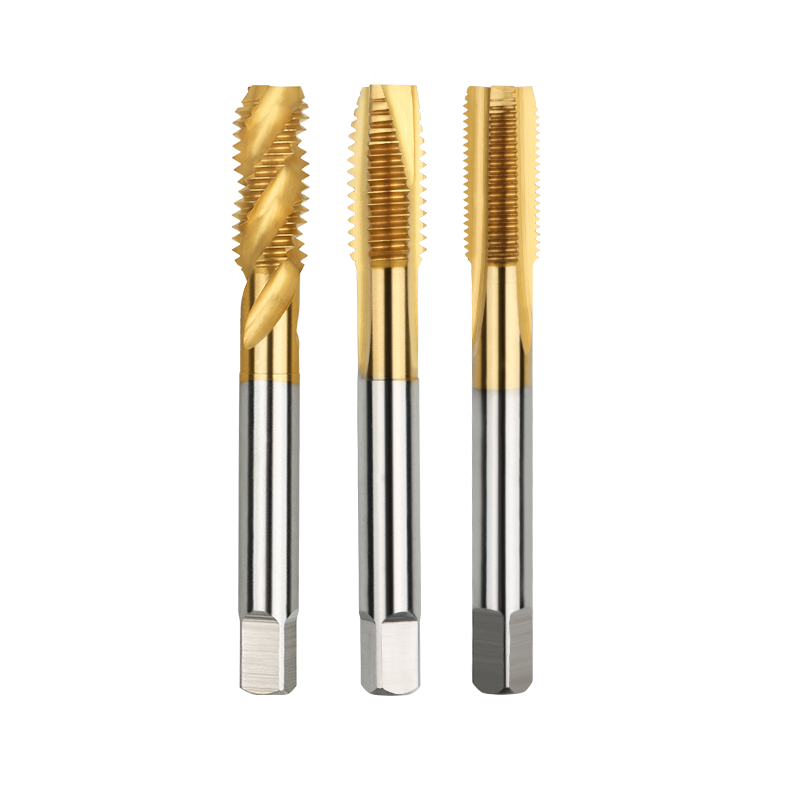
Key Design Features That Make a High-Quality Drill Bit Work Better
A high-quality drill bit’s superior performance in work comes from its meticulous design features, and our company spares no effort in polishing every detail of our drill bit production, drawing on over 15 years of industry experience and advanced R&D equipment. I once led a team to customize a drill bit for a mold manufacturing client who needed ultra-precise deep holes; we adjusted the drill bit’s shank rigidity, cutting edge sharpness, and chip groove shape, and the final product delivered a drilling accuracy of 0.01mm, far exceeding the client’s expectation. Our drill bits, especially the pull back drill bit shank for SE premium category, feature three key design advantages: first, a high-rigidity shank that reduces vibration during high-speed rotation, avoiding hole deviation; second, sharp and wear-resistant cutting edges forged from carbide inserts, which we produce over 5 million of annually to ensure consistent quality; third, a humanized chip removal structure that adapts to different feeding speeds. Tool design experts from the international precision machining association point out that rigidity, cutting edge quality, and chip removal capacity are the three pillars of an excellent drill bit—our products check all these boxes, and we even add exclusive inner cooling designs for deep hole drill bits to address overheating issues. These design features don’t just make our drill bit work better; they also extend its service life, making it a cost-effective choice for manufacturers.
How to Match Drill Bits to Different Machining Scenarios
Knowing what a drill bit is and how it works is only half the battle—matching the right drill bit to specific machining scenarios is crucial to unlocking its full potential, and our professional technical team is always here to guide clients with this, leveraging our complete product range and rich experience. In my career, I’ve advised hundreds of clients across industries, from woodworking factories to automotive part manufacturers, and each scenario needs a tailored drill bit solution. For woodworking machining, we recommend our drill bits paired with woodworking machine parts like ER32 collect chucks, which have a smooth cutting edge to prevent wood splintering; for high-hardness metal deep hole drilling, our crown deep hole U-drill with inner cold shedding is the best choice, with its cooling system and wear-resistant inserts handling tough materials easily; for CNC machining center grooving and drilling combined tasks, our drill bits can be matched with our SER1616 turning tool holders for a seamless machining process. As the largest supplier of metric/British/American system cutting inserts in China, we also produce drill bits compatible with all international standard machining equipment, eliminating the hassle of mismatched tools for our clients. Industry machining guidelines emphasize that drill bit matching should follow the "material + process + equipment" principle, and our one-stop service ensures clients get the most suitable drill bit without having to compare different suppliers—we take care of all the matching details for them.
How to Maintain Drill Bits for Sustained Efficient Work
Even the best drill bit can lose its working efficiency without proper maintenance, and based on our years of serving clients, we’ve summed up practical maintenance tips that keep our drill bits working at their best for longer, a service we share for free with all our customers. I once had a client who doubled their drill bit replacement frequency just because they didn’t clean and sharpen the drill bits regularly; after our technical team taught them simple maintenance steps, their drill bit service life increased by more than 60%. For our carbide and PCD insert drill bits, the core maintenance rules are straightforward: first, clean the drill bit immediately after use, removing residual chips and cutting fluid with a soft brush to prevent material buildup from corroding the cutting edges; second, store drill bits in a dry and fixed holder to avoid shank deformation and cutting edge damage; third, sharpen the cutting edges with professional tools when they become dull—our company also provides professional sharpening services for our drill bits as part of our comprehensive after-sales service. Tool maintenance experts confirm that regular and proper maintenance can extend a drill bit’s service life by 50% or more, and our drill bits are designed with maintainable structures to make this process easier. What’s more, our sufficient inventory ensures that if a drill bit needs replacement or a spare insert, clients can get it quickly with our fast delivery capability—we don’t let drill bit maintenance issues delay our clients’ production. Our commitment doesn’t end with selling a high-quality drill bit; we stand by our products through every step of their working life, ensuring sustained efficiency for our clients’ machining processes.