 EN
EN

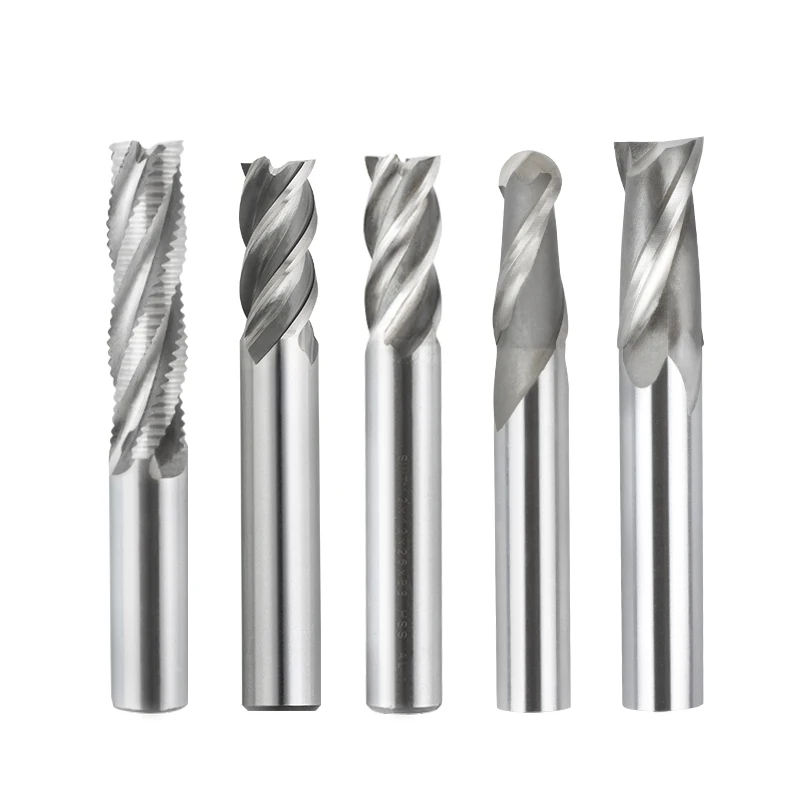
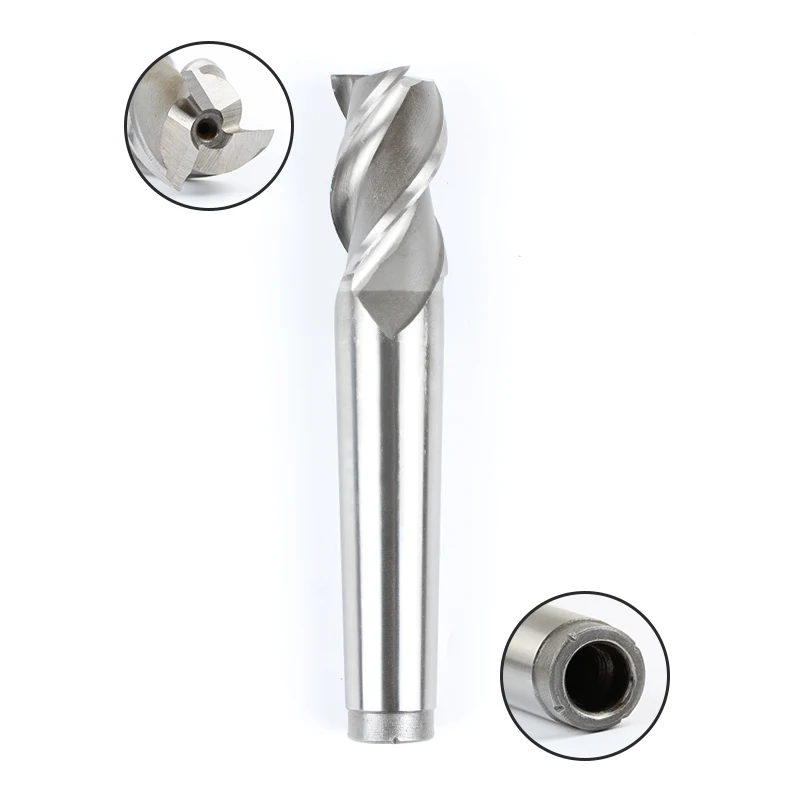
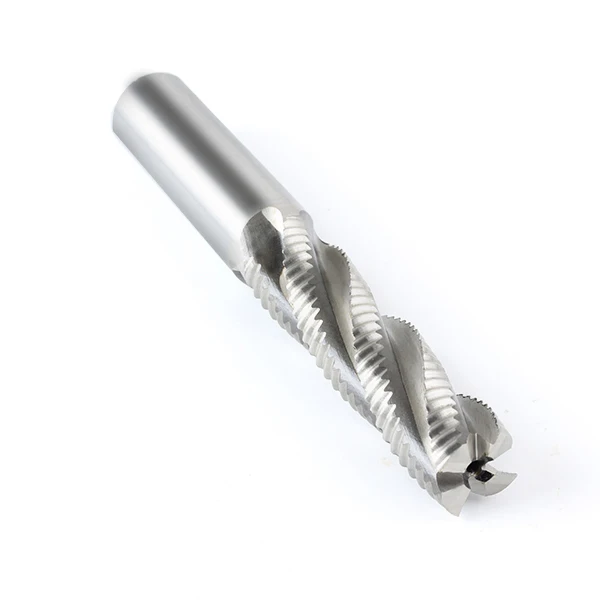
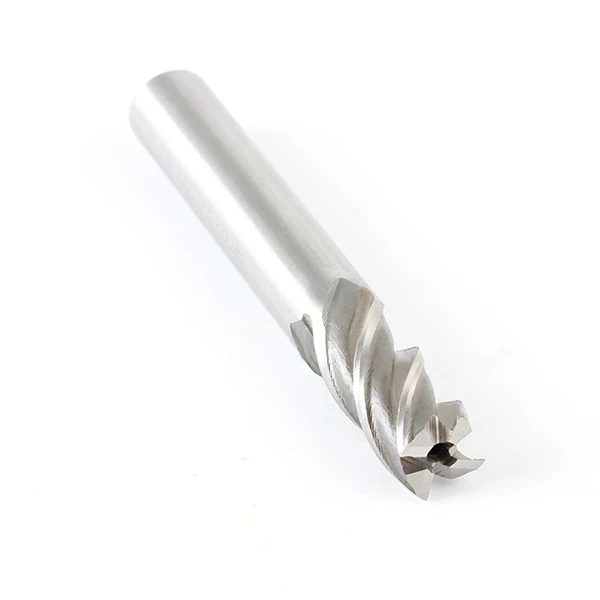

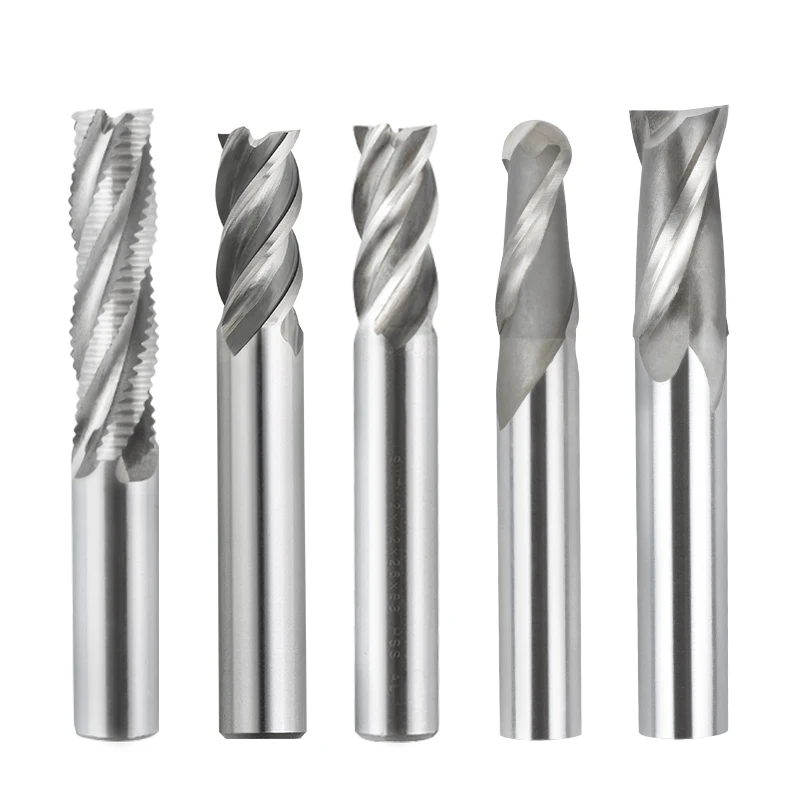
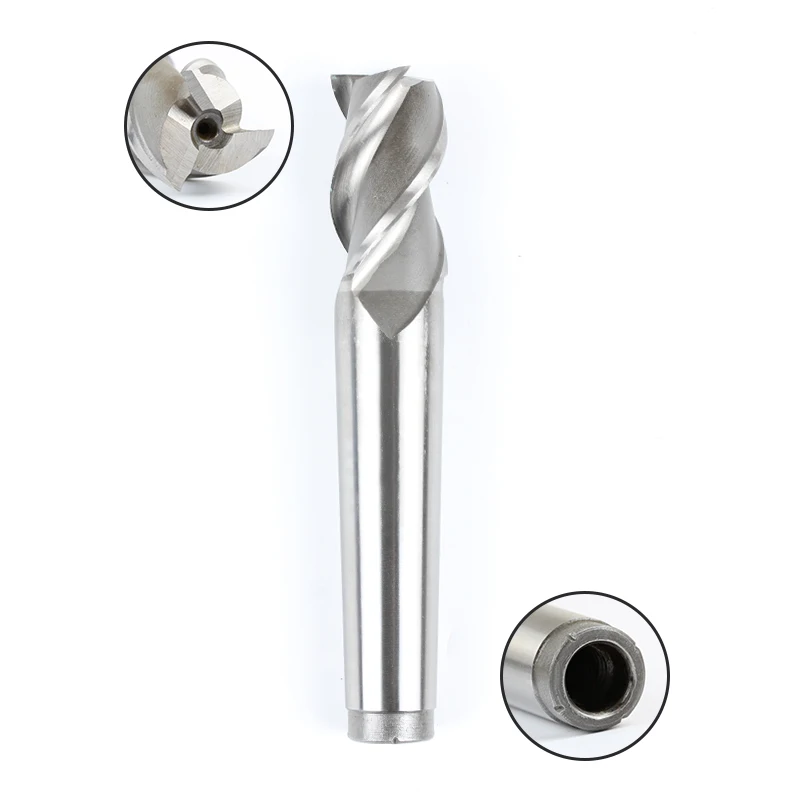
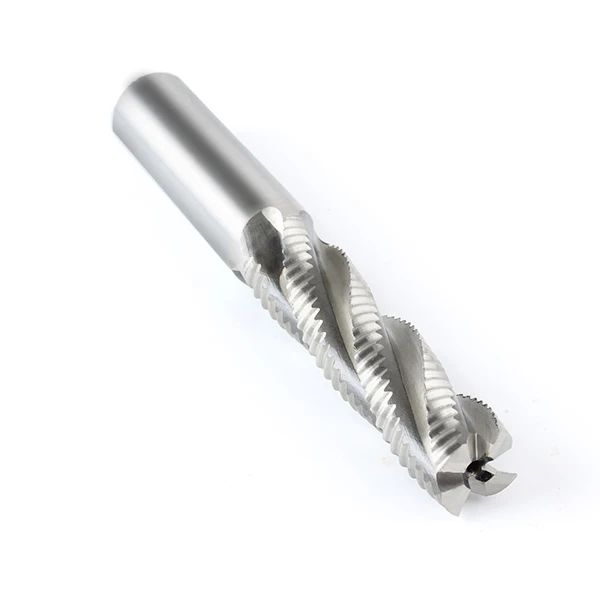
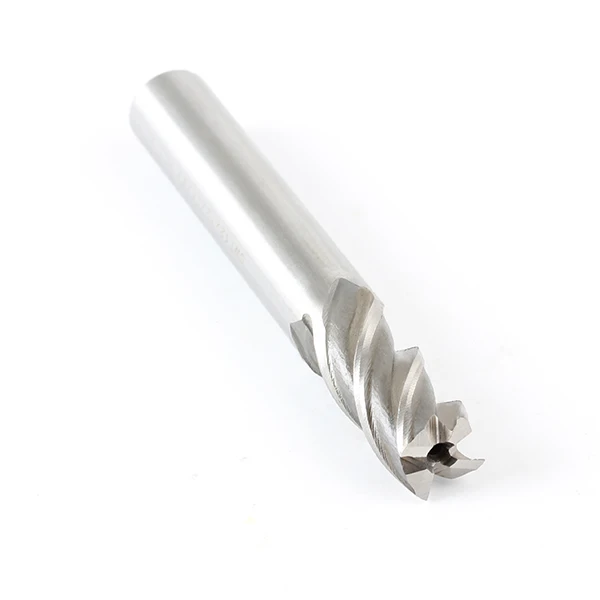
High-Speed Steel (HSS) Wood Cutting Tools Customized ODM/OEM Straight Shank Morse Taper Shank End Mill
- Overview
- Recommended Products

For B2B partners like furniture manufacturers, cabinetry shops, woodworking machinery distributors, and custom carpentry studios, the High-Speed Steel (HSS) Wood Cutting Tools—featuring customized straight shank and Morse taper shank end mills—redefine efficiency and precision in woodworking operations. Engineered exclusively for cutting, profiling, slotting, and routing a full spectrum of wood materials—from softwoods (pine, cedar, spruce) and hardwoods (oak, maple, teak) to engineered woods (MDF, plywood, particleboard)—these HSS tools balance durability, versatility, and cost-effectiveness. Unlike generic woodworking tools that struggle with material variability, these end mills are tailored to handle the unique challenges of wood machining, from knotty grain to resin-rich surfaces. With full ODM/OEM customization, they seamlessly integrate into diverse B2B workflows, whether for small-batch artisanal projects or high-volume furniture production lines. Below, explore the key advantages that make these HSS end mills an indispensable asset for woodworking operations.
1. Premium HSS Construction: Engineered for Wood’s Unique Challenges
Crafted from high-grade HSS alloys (M2 or M42, the gold standards for woodworking tools), these end mills address the specific demands of cutting wood. M2 HSS (62–64 HRC hardness) offers exceptional sharpness retention for general-purpose woodworking, making it ideal for softwoods and medium-density hardwoods like ash or walnut. For more abrasive applications—such as machining teak (with its silica-rich grain) or reclaimed wood (with embedded debris)—M42 HSS (65 HRC, reinforced with 8–10% cobalt) delivers 30% longer tool life, resisting wear even after thousands of cuts.
Unlike brittle carbide tools (which chip easily when encountering knots), HSS end mills have inherent toughness, flexing slightly to absorb impact without breaking. This flexibility is critical for B2B shops processing natural wood, where hidden knots or uneven grain can cause sudden tool stress. Additionally, HSS’s excellent heat dissipation prevents resin buildup—a common issue with softwoods like pine or fir. Resin can clog tool flutes, slow cutting speeds, and leave rough surface finishes; HSS’s heat resistance keeps flutes clean, ensuring consistent performance and reducing the need for frequent tool cleaning (cutting maintenance time by 25% compared to carbon steel tools).
2. Dual Shank Designs: Straight & Morse Taper for Universal Compatibility
These end mills are available in two industry-proven shank configurations, ensuring seamless integration with nearly all woodworking machinery—eliminating the need for costly adapters and simplifying inventory management:
•Straight Shank: Designed for light-to-medium-duty equipment, including handheld routers (e.g., Bosch, DeWalt), benchtop CNC machines (e.g., X-Carve), and small router tables. Available in standard diameters (3mm–25mm) to fit common collet sizes (ER11, ER16, ER20), straight shanks excel at precision tasks like carving decorative edge profiles (ogee, chamfer) on cabinet doors, cutting dadoes for shelf installation, or creating inlay grooves for wooden accents. Their compact design allows access to tight spaces, such as inside drawer boxes or around intricate furniture details, while quick-change compatibility reduces setup time for batch production (e.g., machining 50+ identical chair legs).
•Morse Taper Shank: Built for heavy-duty industrial machinery, including large CNC woodworking centers (e.g., SCM, Homag), industrial routers, and boring mills. The tapered design (available in MT1 to MT4 sizes) creates a friction-fit connection with machine spindles, ensuring maximum torque transfer and minimal slippage during high-torque operations. This makes Morse taper shanks ideal for deep slotting (e.g., cutting 50mm-deep grooves in hardwood beams for structural joinery), face milling large panels (e.g., 4x8ft plywood sheets for wardrobe carcasses), or rough-cutting thick lumber (e.g., 100mm oak blocks for table bases). For B2B facilities running 24/7 production, the secure fit of Morse taper shanks minimizes downtime from tool slippage or misalignment.
3. Comprehensive ODM/OEM Customization: Tailored to B2B Workflows
Recognizing that no two woodworking operations are the same, these HSS end mills offer full ODM/OEM customization—allowing B2B partners to design tools that match their exact production needs. Key customization options include:
•Flute Geometry: Custom flute counts (2–6 flutes) and spiral angles (30°–60°) optimize performance for specific materials. For example: 2-flute end mills with a 60° spiral angle excel at fast chip evacuation in softwoods (preventing clogging), while 6-flute end mills with a 30° spiral angle deliver ultra-smooth finishes in hardwoods (reducing tear-out in maple or cherry).
•Tool Dimensions: Custom lengths (50mm–300mm) for specialized tasks—short lengths (50mm–100mm) for precision routing in tight spaces, long lengths (200mm–300mm) for deep cuts in thick lumber (e.g., machining wooden posts for outdoor furniture). Non-standard diameters (e.g., 7.5mm, 12.7mm) are also available for shops using proprietary joinery systems (e.g., custom tongue-and-groove profiles).
•Coatings: Optional TiN (titanium nitride) or CrN (chromium nitride) coatings enhance performance in specific applications. TiN coatings reduce friction and resin adhesion, ideal for softwood processing, while CrN coatings boost wear resistance for abrasive hardwoods or reclaimed wood.
•Branding & Packaging: Laser-etched part numbers, company logos, or cutting parameter guidelines (e.g., “Max RPM: 6,000 for Oak”) for easy inventory tracking. Bulk packaging options (100+ tools per box) are available for distributors, while custom retail-ready packaging suits B2B shops selling tools to end-users.
For niche applications—such as manufacturing wooden musical instruments (requiring ultra-fine 0.1mm tolerances for soundboard routing) or industrial pallets (needing heavy-duty end mills for 2x4 lumber)—this customization ensures tools perform optimally, avoiding the inefficiencies of “one-size-fits-all” solutions.
4. Precision Cutting for Consistent, High-Quality Finishes
Engineered with precision-ground cutting edges (tolerance ±0.005mm), these HSS end mills deliver clean, splinter-free cuts that minimize post-processing— a critical advantage for B2B shops focused on quality and efficiency. The tools’ optimized rake angles (15°–25°) shear wood fibers rather than tearing them, reducing tear-out (a common issue in hardwoods like oak, where grain direction changes abruptly). This means fewer rejected parts and less time spent sanding, filling, or refinishing: a cabinet shop producing maple drawer fronts, for example, can achieve a smooth surface finish (Ra ≤0.8μm) directly from the cutter, eliminating the need for secondary sanding (cutting finishing time by 30%).
The end mills also maintain consistent dimensional accuracy across large production runs. For B2B facilities manufacturing standardized parts—such as 1000+ identical shelf brackets or cabinet hinges—this precision ensures every part fits perfectly during assembly, reducing rework and warranty claims. Additionally, the tools’ balanced design minimizes vibration during high-speed cutting (up to 10,000 RPM for small diameters), preventing “chatter marks” on visible surfaces (e.g., furniture tabletops or cabinet faces) that can devalue finished products.
5. Versatile Applications Across Woodworking Sectors
These HSS wood cutting tools excel in diverse B2B woodworking scenarios, making them a versatile investment for shops with varied client needs:
•Furniture Manufacturing: Profiling table edges, cutting mortise-and-tenon joints for chairs, and routing recesses for hardware (e.g., drawer slides, hinges).
•Cabinetry & Joinery: Machining plywood for cabinet carcasses, carving decorative door panels, and cutting dadoes for shelf support.
•Construction Woodworking: Fabricating wooden trusses, cutting framing lumber, and routing channels for electrical wiring in residential or commercial projects.
•Custom Carpentry: Creating bespoke wooden fixtures (e.g., restaurant bar tops, hotel lobby furniture) and artistic pieces (e.g., wooden sculptures, decorative wall panels).
•Engineered Wood Processing: Cutting MDF for furniture components, routing particleboard for office furniture, and profiling laminate-covered plywood for kitchen countertops.
For B2B distributors, this broad application range expands market reach, appealing to small artisanal shops, mid-sized cabinet manufacturers, and large industrial woodworking facilities. For end-user shops, it means a single tool line can support multiple departments (production, maintenance, prototyping), reducing vendor complexity and procurement costs.





A: Generally, we pack our goods in carboard boxes. If you have legally registered patent, we can pack the goods in your branded boxes after getting your authorization letters.
Q2. What is your terms of payment?
A: T/T 50% as deposit, and 50% before delivery. We'll show you the photos of the products and packages before you pay the balance.
Q3. What is your terms of delivery?
A: EXW, FOB, CFR, CIF, DDU.
Q4. How about your delivery time?
A: Generally, it will take 5 to 20 days after receiving your advance payment. The specific delivery time depends on the items and the quantity of your order.
Q5. Can you produce according to the samples?
A: Yes, we can produce by your samples or technical drawings. We can build the molds and fixtures.
Q6. What is your sample policy?
A: We can supply the sample if we have ready parts in stock, but the customers have to pay the sample cost and the courier cost.
Q7. Do you test all your goods before delivery?
A: Yes, we have 100% test before delivery
Q8: How do you make our business long-term and good relationship?
1. We keep good quality and competitive price to ensure our customers benefit ;
2. We respect every customer as our friend and we sincerely do business and make friends with them, no matter where they come from.