Explore Various Milling Cutter Types for Precision Machining
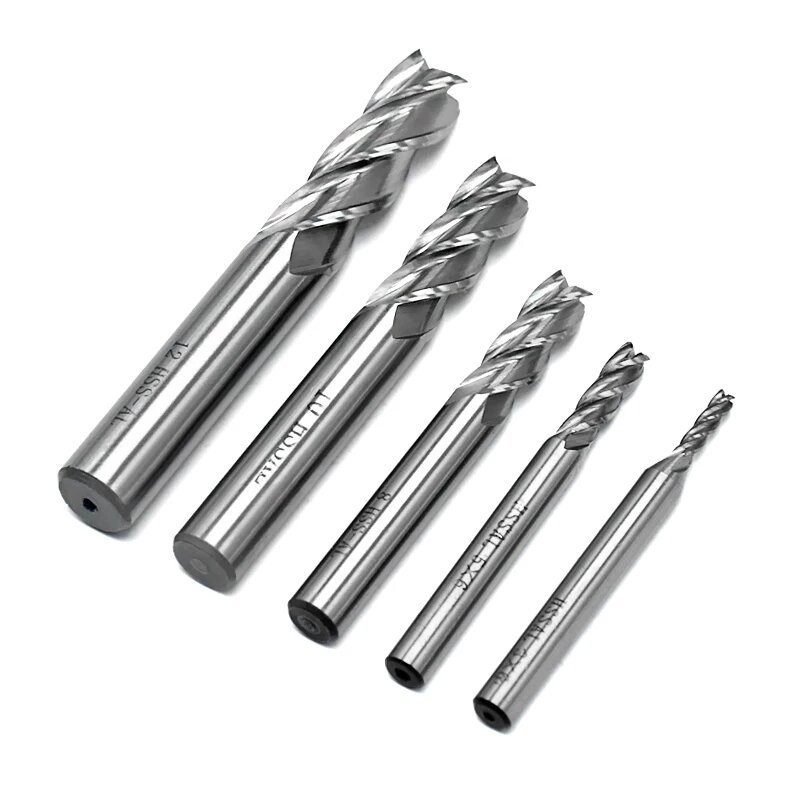
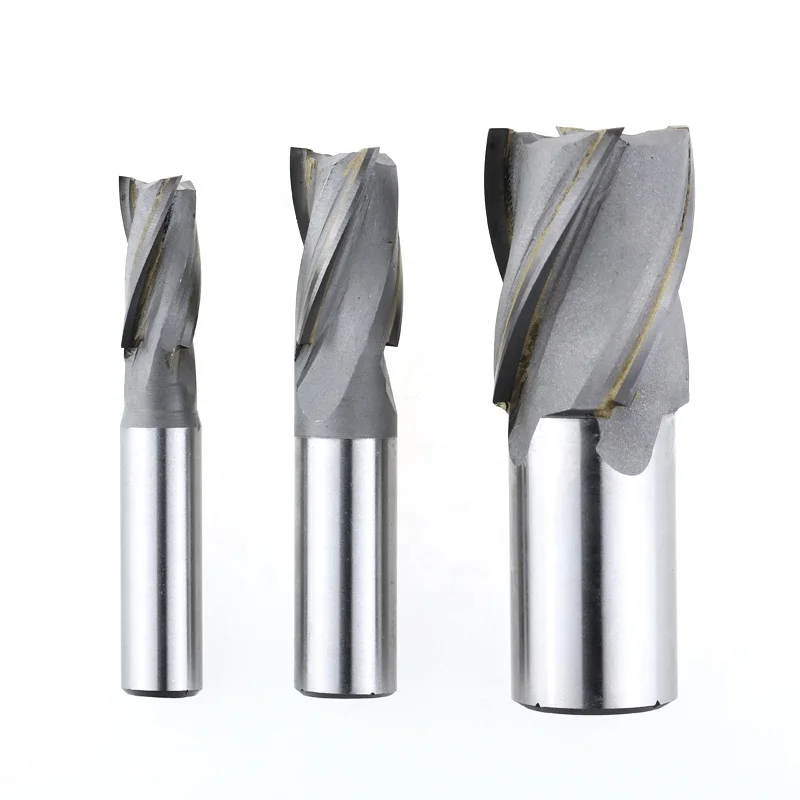
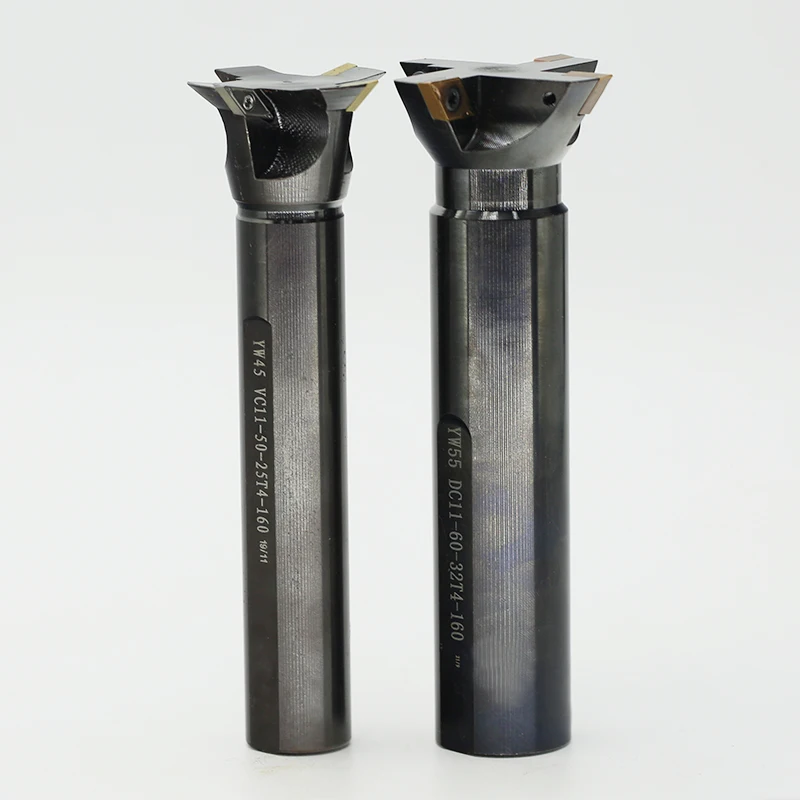
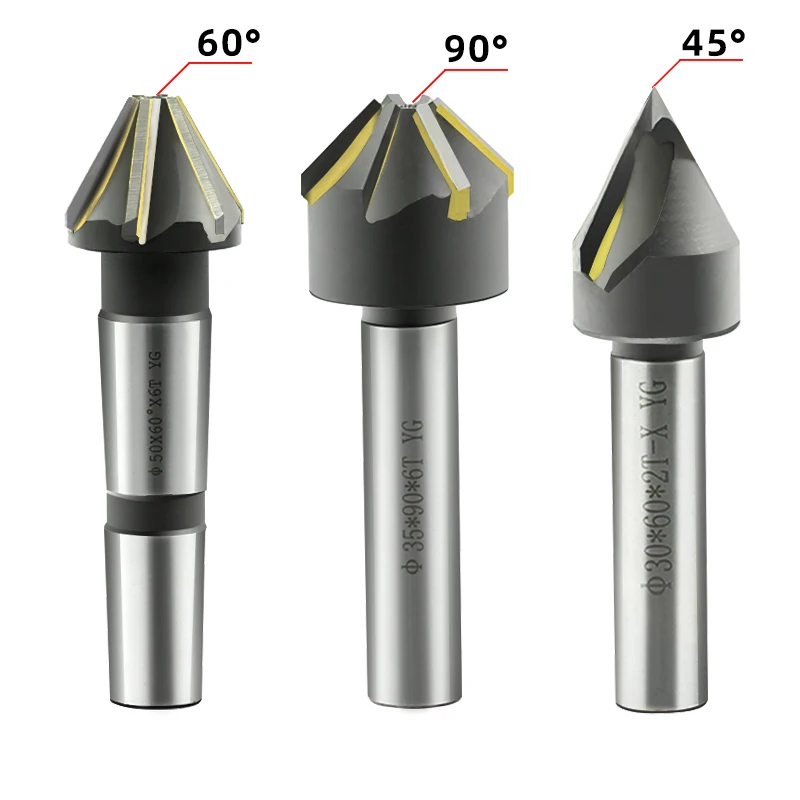
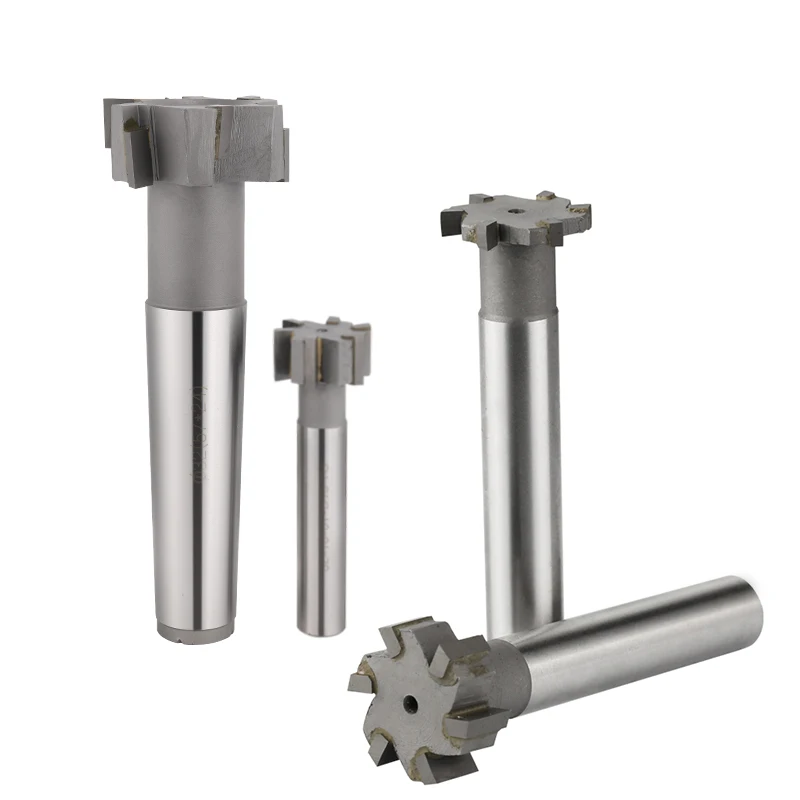
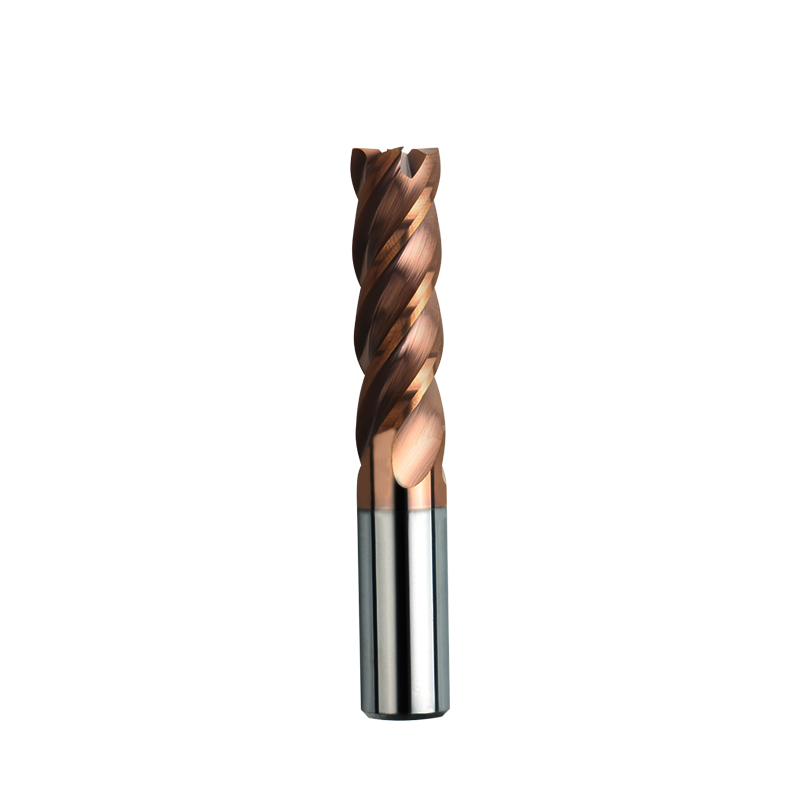
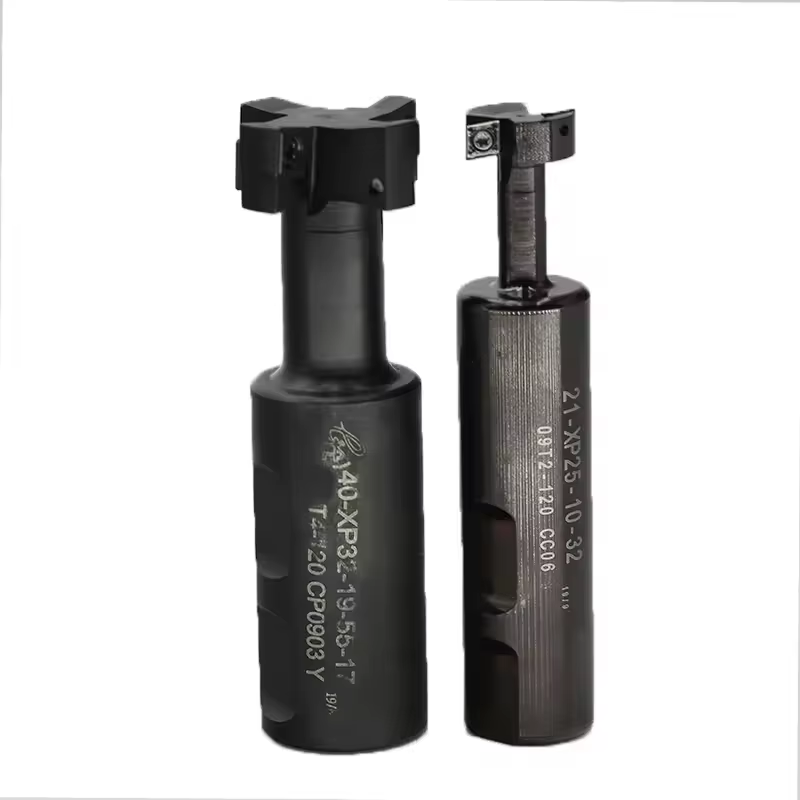
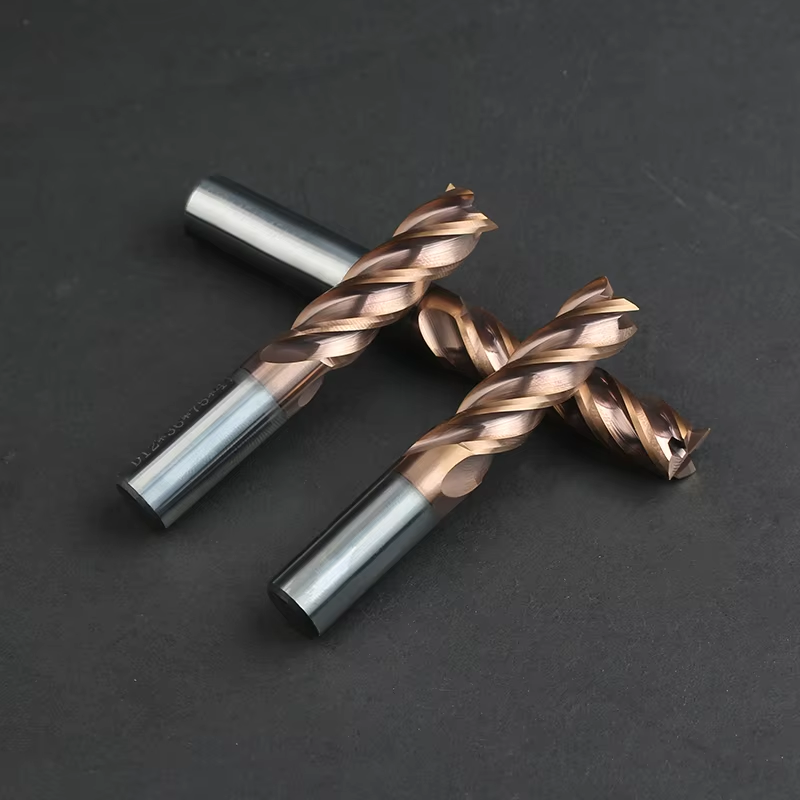
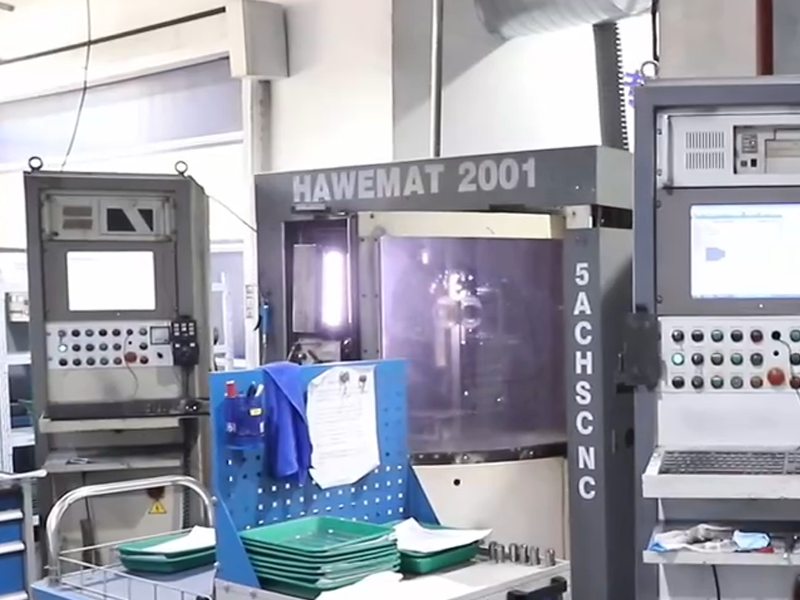
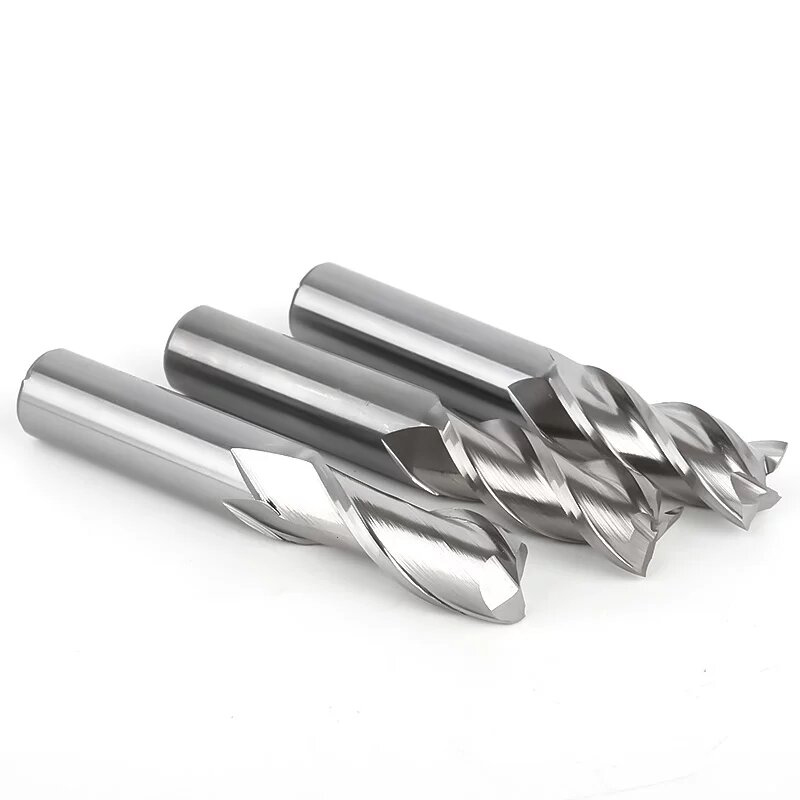
At Wenling Youyiqie Precision Tools Co., Ltd., we specialize in offering an extensive range of milling cutter types designed for various machining applications. Located in the heart of China’s largest tool market, we pride ourselves on producing high-quality CNC tools, turning tool holders, carbide inserts, diamond PCD inserts, drill bits, and, of course, milling cutters. Our milling cutter types are engineered to provide exceptional performance, durability, and precision, making them ideal for both industrial and commercial use. Whether you are looking for end mills, face mills, or slab mills, our products cater to diverse machining needs. We focus on delivering superior quality and outstanding service, ensuring that our clients receive the best tools for their projects. By choosing our milling cutter types, you can enhance your machining efficiency and achieve superior results in your manufacturing processes.
Get A Quote

 EN
EN