
 EN
EN
Match the Milling Cutter Material to the Workpiece Material
Having worked with Youyi Tool for years, I’ve learned that the first rule of choosing the right milling cutter is matching its material to the workpiece. Just six months ago, a mold manufacturer from Southeast Asia struggled with rapid tool wear when machining stainless steel—they were using a standard HSS milling cutter. We recommended our carbide-tipped milling cutter with TiAlN coating, and their tool life increased by 300% while surface finish improved significantly. At Youyi Tool, we offer milling cutters in three core materials: HSS (high-speed steel) for soft metals like aluminum and mild steel, cobalt steel for alloy steel and stainless steel (offering better heat resistance), and solid carbide for hardened steel, titanium, and other exotic metals. Our carbide milling cutters also feature specialized coatings—TiN for general use, TiAlN for high-temperature applications, and DLC for reduced friction. A automotive parts client in Europe used our DLC-coated carbide milling cutter for titanium components and reported zero adhesion issues, a common problem with uncoated tools. Dr. Wang, a materials science expert, explains, “Mismatched materials can reduce tool life by 50-70%—the milling cutter must withstand the workpiece’s hardness and cutting temperature.”
Select the Correct Milling Cutter Type Based on Machining Operation
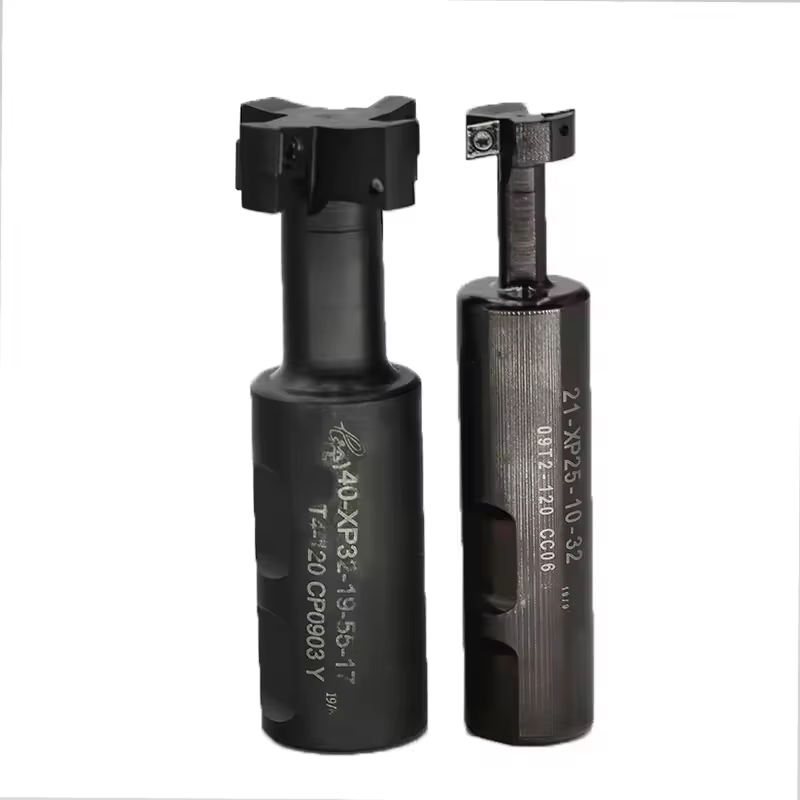
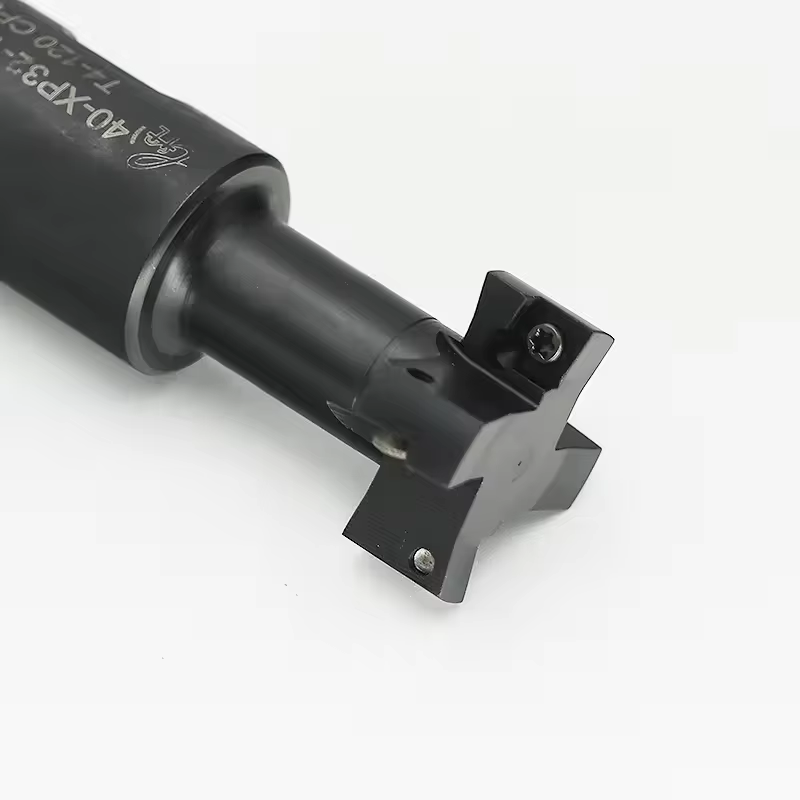
The type of machining operation dictates the milling cutter design—choosing the wrong type leads to inefficiency or poor quality. At Youyi Tool, we categorize our milling cutters by application: end mills for slotting, profiling, and face milling; face mills for large flat surfaces; side mills for grooves and slots; ball nose mills for curved surfaces and 3D contours; and T-slot mills for specialized groove machining. Last year, a furniture hardware manufacturer from North America needed to machine keyways in steel brackets—they initially used an end mill but struggled with narrow grooves. We recommended our double-sided side mill, which completed the task in half the time with precise slot widths. Our ball nose mills are a favorite among mold makers: a client in Europe used our 10mm solid carbide ball nose mill to machine complex curved surfaces, achieving a Ra 0.8μm finish without secondary polishing. Dr. Li, a machining technology expert, states, “Each milling cutter type is engineered for specific cutting paths—end mills excel at multi-directional cutting, while face mills optimize flat surface efficiency.” We also offer combination mills for hybrid operations, such as end-face mills that handle both face milling and edge profiling.
Optimize Flute Count for Material Removal and Surface Finish
Flute count is a critical factor that balances material removal rate and surface finish. At Youyi Tool, we offer milling cutters with 2, 4, 6, or 8 flutes, each serving a distinct purpose. 2-flute milling cutters are ideal for roughing and soft materials—their large chip pockets prevent clogging when machining aluminum or plastic. A electronics manufacturer in China used our 2-flute HSS milling cutter for aluminum housing roughing and achieved 2x faster material removal than a 4-flute alternative. 4-flute milling cutters are the most versatile, balancing speed and finish for steel, stainless steel, and alloy metals. Our 4-flute carbide milling cutter is a shop favorite for general-purpose machining, used by countless clients for both roughing and finishing. 6-flute and 8-flute milling cutters prioritize surface finish—more flutes mean smaller chip loads per edge, reducing vibration. A precision engineering client in Europe used our 8-flute carbide milling cutter for finishing hardened steel and reported a 50% reduction in surface roughness compared to a 4-flute tool. Dr. Zhang, a machining dynamics expert, explains, “Flute count directly impacts cutting force distribution—fewer flutes for fast removal, more flutes for smooth finishes.” We also offer variable-flute milling cutters to minimize chatter during high-speed machining.
Consider Geometry Parameters: Helix Angle, Rake Angle, and Length
Milling cutter geometry directly affects cutting performance, especially when dealing with challenging materials or operations. At Youyi Tool, we optimize three key parameters: helix angle (30°, 45°, or 60°), rake angle (positive, negative, or neutral), and effective length. Helix angle determines cutting force and chip evacuation—shallow 30° angles for soft materials (preventing chip clogging) and steep 60° angles for hard metals (reducing cutting resistance). A construction machinery client in Australia used our 60° helix angle carbide milling cutter for stainless steel and noted a 25% reduction in cutting force, preventing machine vibration. Rake angle influences tool wear: positive rake for soft materials (reduces friction), negative rake for hard materials (strengthens cutting edges). Just three months ago, a client machining hardened steel with a positive rake end mill experienced frequent chipping—switching to our negative rake milling cutter resolved the issue. Effective length is tailored to workpiece depth: our short-length milling cutters (50-80mm) offer rigidity for heavy cutting, while long-length options (100-150mm) reach deep cavities. We also provide custom geometry options for specialized applications, such as low-helix milling cutters for non-ferrous metals.
Youyi Tool’s Expert Guidance and Custom Solutions
Choosing the right milling cutter can be complex, but Youyi Tool’s expertise simplifies the process. Our team of application engineers works closely with clients to assess their needs: workpiece material, machining operation, machine type (CNC or manual), and quality requirements. We provide detailed technical data sheets for each milling cutter, including recommended cutting speeds, feed rates, and depth of cut. For unique applications, we offer OEM/ODM services—customizing material, coating, flute count, and geometry to match specific needs. A medical device client in Europe needed a ultra-small diameter (2mm) ball nose mill for titanium implants—we designed a solid carbide tool with a 30° helix angle and TiAlN coating that met their precision requirements. Our milling cutters undergo strict quality control, including runout testing (≤0.002mm) and hardness testing (HRC 90+ for carbide), ensuring consistent performance. We also offer after-sales support, including tool life optimization and troubleshooting. A machinery manufacturing client in North America summed it up: “Youyi Tool doesn’t just sell milling cutters—they provide solutions. Their guidance helped us choose the right tool, cutting our production time by 20%.” With Youyi Tool’s high-quality milling cutters and personalized support, you can tackle any machining task with confidence. We’re committed to being your trusted partner in precision manufacturing, delivering tools that drive efficiency and success.
Table of Contents
- Match the Milling Cutter Material to the Workpiece Material
- Select the Correct Milling Cutter Type Based on Machining Operation
- Optimize Flute Count for Material Removal and Surface Finish
- Consider Geometry Parameters: Helix Angle, Rake Angle, and Length
- Youyi Tool’s Expert Guidance and Custom Solutions