
 EN
EN
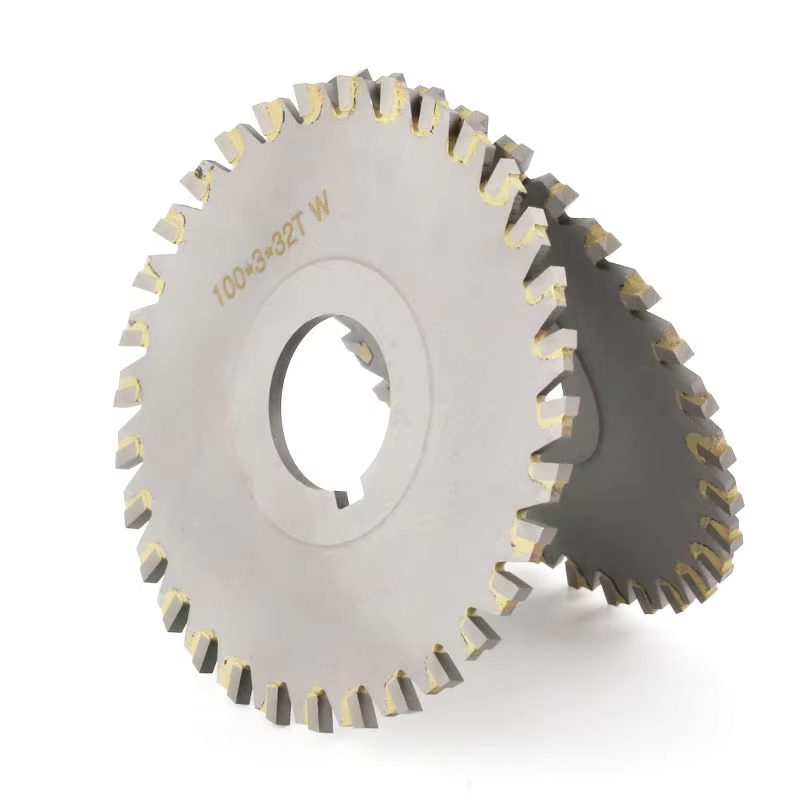
Material Composition and Core Performance Properties
The difference in cutting performance between a carbide end mill and an HSS end mill begins at the material level. Each composition delivers a distinct balance of hardness, toughness, and thermal behavior—determining suitability for specific machining conditions.
Carbide end mill structure: WC-Co matrix, grain size, hardness (85–94 HRA), and thermal conductivity
A carbide end mill consists of tungsten carbide (WC) particles sintered in a cobalt (Co) binder matrix. This structure delivers extreme hardness—85 to 94 HRA—providing strong resistance to abrasive wear. Grain size critically influences performance: submicron to ultrafine grains (0.2–0.6 µm) maximize hardness and edge sharpness, while coarser grains enhance fracture resistance. The cobalt binder (typically 6–12% by weight) supplies essential toughness to withstand interrupted or variable loads. With thermal conductivity of 80–110 W/m·K—roughly double that of HSS—carbide rapidly evacuates heat from the cutting zone, reducing thermal softening and extending tool life, especially in high-speed or dry machining.
HSS end mill composition: Role of molybdenum, vanadium, and cobalt in hot hardness and toughness
High-speed steel end mills rely on a precisely balanced alloy system. Molybdenum (5–10%) improves hardenability and high-temperature strength, helping maintain cutting geometry under sustained heat. Vanadium (1–4%) forms fine, stable carbides that resist abrasive wear and preserve edge integrity. Cobalt (5–12%) significantly raises red hardness—the temperature at which the tool begins to soften—allowing reliable performance even when the cutting edge glows red-hot. Together, these elements give HSS superior toughness and shock absorption, making it ideal for interrupted cuts, low-rigidity setups, and materials requiring impact resilience over maximum speed.
Wear Resistance, Heat Tolerance, and Tool Life in CNC Machining
Flank wear progression and ISO 8688 tool life benchmarks: Carbide’s 4–8× longer service life under continuous cut
Flank wear—the gradual loss of material along the relief face—is the most common wear mode in CNC machining and is measured per ISO 8688. Under continuous cutting, carbide end mills deliver 4 to 8 times longer service life than comparable HSS tools. This stems directly from carbide’s higher hardness and ability to retain edge geometry under mechanical load. For example, in roughing hardened steel, an HSS tool may last only 30 minutes before reaching the allowable flank wear limit, whereas a carbide tool often operates reliably for 2 to 4 hours. That longevity reduces tool-change downtime and sustains dimensional consistency across long production runs.
Oxidation resistance and thermal stability: 600°C (HSS) vs. 900°C (carbide) onset thresholds
Oxidation accelerates chemical degradation and softening at elevated temperatures. HSS begins oxidizing near 600°C, leading to rapid loss of hardness and cutting capability. Carbide remains chemically stable up to approximately 900°C—300°C higher—making it uniquely suited for high-speed machining of heat-resistant alloys like Inconel and titanium. At speeds where HSS would fail within minutes due to oxidation-induced failure, carbide maintains predictable performance, preserving surface finish and minimizing workpiece damage. This thermal margin is decisive in high-volume or high-temperature applications.
Cutting Performance: Speed, Feed, Surface Finish, and Precision
Carbide end mill cutting speed advantage: 3–5× higher SFM in aluminum, stainless steel, and hardened alloys
Carbide end mills operate at surface speeds (SFM) three to five times greater than HSS across common materials. In aluminum, carbide runs at 2,000–3,000 SFM versus HSS at 600–800 SFM; for stainless steel, carbide achieves 400–600 SFM compared to HSS’s 80–150 SFM. This advantage arises from carbide’s hot hardness and efficient heat dissipation—preventing edge breakdown and enabling stable chip formation. Higher SFM translates directly to shorter cycle times and increased material removal rates. When paired with moderate feed rates and appropriate chip thinning strategies, carbide also minimizes built-up edge in gummy materials like low-carbon steel and aluminum.
Surface finish and dimensional consistency: Ra reduction of 0.2–0.4 µm with carbide in finishing operations
In finishing passes, carbide consistently achieves surface roughness (Ra) values 0.2–0.4 µm lower than HSS under identical parameters. This improvement results from carbide’s higher stiffness and superior vibration damping—reducing chatter and tool deflection. A single carbide finish pass often yields Ra 0.4–0.8 µm, frequently eliminating secondary grinding. Dimensional repeatability also improves: carbide’s wear-resistant edges hold tight tolerances longer. Combined with light depths of cut (0.2–0.5 mm) and reduced radial engagement, carbide delivers the smooth, precise surfaces required in aerospace, medical device, and mold-making applications.
Toughness, Shock Resistance, and Workpiece Material Compatibility
Toughness and shock resistance determine how well an end mill handles interrupted cuts, vibrations, and sudden load changes. HSS excels here due to its higher fracture toughness, making it the preferred choice for roughing, manual machining, and unstable setups where chatter or irregular stock removal occurs. Carbide offers far greater hardness but lower fracture resistance—it performs best in rigid, high-precision CNC environments with continuous cuts and minimal shock loading. This trade-off shapes material compatibility: HSS reliably machines mild steel, aluminum, copper, plastics, and—when cobalt-enriched—stainless steel and cast iron. Carbide, with its exceptional thermal resistance (up to ~1,000°C) and wear resistance, is optimal for hardened steels, nickel-based superalloys, and titanium—materials that would rapidly degrade HSS tooling.
Cost Efficiency and Application-Based Selection Guide
Total cost of ownership: How extended tool life offsets higher upfront carbide end mill investment
Although carbide end mills typically cost three to five times more than HSS equivalents, their total cost of ownership (TCO) is often lower in production settings. Extended tool life—4 to 8× longer under continuous cutting—drives this advantage by slashing tool-change frequency, labor, scrap, and inventory costs. In high-volume aluminum machining, for instance, one carbide tool may replace five HSS tools, cutting per-part tooling cost by over 40% when accounting for changeover time and improved yield. In automated CNC cells—where unplanned stoppages carry steep operational penalties—the reliability and predictability of carbide further amplify its economic value.
Decision framework: Matching carbide vs. HSS to material, operation type, and precision requirements
Selecting between carbide and HSS requires evaluating workpiece material, operation type, and precision needs. The table below provides a practical, application-focused guide:
| Material / Operation | Recommended Tool | Key Rationale |
|---|---|---|
| Titanium & nickel alloys (roughing) | Carbide | High heat tolerance (up to 900°C) prevents edge breakdown; superior wear resistance handles abrasive chips. |
| Cast iron (high-volume production) | Carbide | Extended tool life (4–8×) justifies upfront cost; consistent surface finish reduces secondary operations. |
| Stainless steel (finishing) | Carbide | Achieves Ra reduction of 0.2–0.4 µm; maintains dimensional stability under repetitive cuts. |
| Plastics & non-ferrous metals (low volume) | HSS | Lower cost per tool; sufficient for non-abrasive materials; less risk of edge chipping. |
| Interrupted cuts (e.g., keyways) | HSS | Superior toughness (10–12 ft-lb impact strength) absorbs shock without fracture. |
| High-precision molds & dies | Carbide | Maintains tighter tolerances (< 0.01 mm); resists thermal deformation during finishing passes. |
This framework supports intentional tool selection—ensuring the higher investment in carbide delivers measurable ROI where it matters most: reduced cycle times, lower scrap rates, and predictable, repeatable performance.
Frequently Asked Questions (FAQ)
What are the main differences between carbide and HSS end mills?
Carbide end mills offer higher hardness, wear resistance, and heat tolerance, making them ideal for high-speed and high-precision CNC machining. HSS end mills, on the other hand, excel in toughness and shock resistance, making them suitable for interrupted cuts and low-rigidity setups.
Which material is better for machining heat-resistant alloys like titanium?
Carbide end mills are better suited for machining heat-resistant alloys like titanium due to their higher thermal stability (up to 900°C) and superior wear resistance.
What factors should I consider when selecting between carbide and HSS tools?
Consider workpiece material, operation type, and precision requirements. Carbide is optimal for hard and abrasive materials, continuous cuts, and high-precision needs, while HSS is better for interrupted cuts, non-abrasive materials, and lower-cost setups.
Is carbide tooling more cost-efficient in production settings?
Yes, despite higher upfront costs, carbide tooling often offers a lower total cost of ownership due to extended tool life, reduced downtime, and increased productivity.
Table of Contents
- Material Composition and Core Performance Properties
- Wear Resistance, Heat Tolerance, and Tool Life in CNC Machining
- Cutting Performance: Speed, Feed, Surface Finish, and Precision
- Toughness, Shock Resistance, and Workpiece Material Compatibility
- Cost Efficiency and Application-Based Selection Guide
- Frequently Asked Questions (FAQ)