
 EN
EN
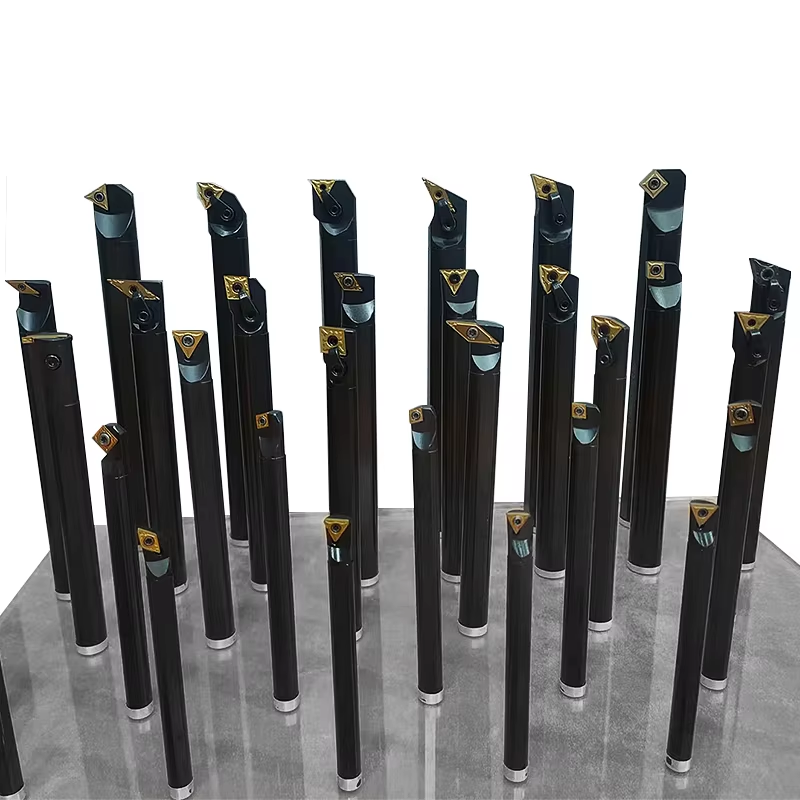
Essential Tool Parts and Their Core Functions
Handle: Force Transmission, Ergonomic Control, and User Safety
The handle is the primary interface between user and tool—transmitting muscular force into functional output while safeguarding against injury. Ergonomically contoured designs reduce hand fatigue by 40% during extended use (Occupational Safety Journal, 2023), distributing pressure evenly across the palm. Non-slip textures maintain control in oily or wet conditions, and vibration-dampening materials help prevent cumulative nerve damage. In electrically hazardous environments, properly rated insulation in handles is non-negotiable for shock prevention. Optimal length and angle further enhance mechanical advantage: a 10-inch handle generates three times more torque than a 6-inch counterpart under identical input force.
Working End (Blade, Jaw, Head): Task-Specific Geometry and Material Interaction
The working end defines a tool’s purpose through precise geometry and material science. Blade bevel angles govern cutting efficiency; jaw profiles determine grip security and slip resistance; hammer face curvature influences nail alignment accuracy. Performance hinges on material selection: carbide-tipped blades retain edge sharpness five times longer than standard steel when cutting hardwood. Heat-treated jaws withstand 15,000 PSI without deformation, while chrome-vanadium hammer heads offer superior chip resistance compared to carbon steel. Surface treatments like PTFE coatings cut friction by 60%, enabling smoother, binding-free cuts in dense materials.
Connecting Elements (Shaft, Pivot, Tension System): Precision, Adaptability, and Mechanical Advantage
Connecting elements translate raw force into controlled, repeatable action. Tempered steel shafts resist torsional deflection, preserving alignment during high-torque applications. Ball-bearing pivots in pliers achieve 0.01mm tolerance—ensuring flush jaw contact after 10,000 cycles. Progressive tension systems in adjustable wrenches apply uniform pressure across fastener faces, eliminating rounding. Mechanical advantage varies by design: a 12:1 lever ratio multiplies input force while reducing stroke range by 85%, enabling effective operation in confined spaces.
How Tool Parts Enable Performance Across Major Hand Tool Categories
The interplay of handles, working ends, and connecting elements determines functional capability across all hand tool categories. Cutting tools—like chisels—rely on hardened blade geometry and impact-absorbing handles to transmit force cleanly through material. Gripping tools—including pliers—depend on precisely engineered jaw serration patterns and calibrated pivot tension to multiply applied pressure reliably. Striking tools—such as hammers—require optimized head mass distribution and shock-dissipating handles to direct kinetic energy with minimal rebound or user fatigue.
Each category achieves distinct performance through specialized part configurations:
- Cutting tools prioritize edge retention and handle vibration dampening
- Fastening tools demand tip compatibility with fastener types and precise rotational torque control
- Measuring tools depend on rigid straight edges and stable joint mechanisms to preserve dimensional accuracy
This parts-based framework clarifies why functionally similar tools aren’t interchangeable: a wrench lacks the prying geometry, stress distribution, and leverage principles built into a pry bar. Understanding these relationships allows users to select tools aligned with task requirements—maximizing precision, safety, and longevity.
Tool Parts in Action: Real-World Examples of Function-Driven Design
Claw Hammer: Dual-Function Working End and Stress-Optimized Handle Integration
The claw hammer demonstrates how integrated part design delivers multifunctionality. Its hardened-steel working end combines two geometries—a domed striking face for driving nails and a curved claw for extraction—reducing the need for multiple tools without compromising utility. The handle absorbs impact energy through tapered thickness and ergonomic curvature, channeling force along the grain in wood or through vibration-dampening composites in modern variants. Reinforced contours at the neck—the junction between head and handle—resist stress fractures during prying. Material choice directly affects durability: hickory resists splintering under repeated impact, while fiberglass offers superior fracture resistance for heavy-duty applications.
Adjustable Wrench: Pivot-Centric Jaw Alignment and Progressive Tensioning Mechanism
Adjustable wrenches exemplify precision engineering through interconnected components. A movable jaw pivots on a threaded worm gear, enabling width adjustment across fastener sizes. As torque is applied, the integrated tension system—comprising the worm gear and spring—maintains consistent jaw pressure, preventing fastener rounding. Serrated jaw teeth grip parallel surfaces evenly, distributing force to minimize slippage. Critical wear points include worm gear threads and the pivot joint; degradation here causes jaw wobble and torque loss. Maintenance requires periodic lubrication of the screw mechanism and visual inspection for tooth wear—damaged teeth compromise grip integrity and increase injury risk.
Selecting and Maintaining Tools Based on Tool Parts Integrity
Identifying Wear Patterns in Critical Tool Parts for Proactive Maintenance
Early detection of wear in essential tool parts prevents failure, extends service life, and supports workplace safety. Key indicators include:
- Surface deformation in hammer striking faces, reducing impact transfer efficiency
- Micro-cracks near pivot points in wrenches and pliers, threatening structural integrity
- Edge rounding on cutting blades, diminishing cut precision and increasing effort
- Corrosion pits in metal joints, accelerating fatigue and weakening load-bearing capacity
Inspect high-stress components monthly using adequate lighting and magnification. For example, verify jaw alignment in pliers with a straightedge—misalignment exceeding 0.5mm signals imminent replacement. Log wear progression to track deterioration trends; tools exhibiting over 20% material loss at contact points should be retired. Consistent monitoring preserves mechanical advantage and ensures reliable force transmission—particularly critical where precision and safety are interdependent.
FAQ Section
What is the purpose of tool handles?
Tool handles serve as the primary interface between the user and the tool. They transmit muscular force into functional output while ensuring ergonomic control and user safety. Features such as vibration-dampening materials and non-slip textures enhance performance and comfort.
Why is material selection critical for tool working ends?
Material selection for working ends, such as blades and hammer heads, defines their durability and efficiency. For example, carbide-tipped blades retain sharpness longer, and heat-treated jaws can withstand high forces without deformation.
How do connecting elements contribute to a tool’s precision?
Connecting elements like shafts, pivots, and tension systems ensure controlled and repeatable action. They resist force deflection and preserve alignment, allowing tools to perform consistently under stress.
What are key indicators of tool wear?
Important indicators include surface deformation, micro-cracks, edge rounding, and corrosion pits in high-stress areas. Regular inspection and maintenance help prevent failure and extend service life.
Why is tool category specialization important?
Each tool category—cutting, fastening, gripping—relies on specific part configurations to optimize performance for its intended task. This specialization ensures precision, safety, and durability.