
 EN
EN
Versatile Cutting Edges for Multi-Purpose Machining
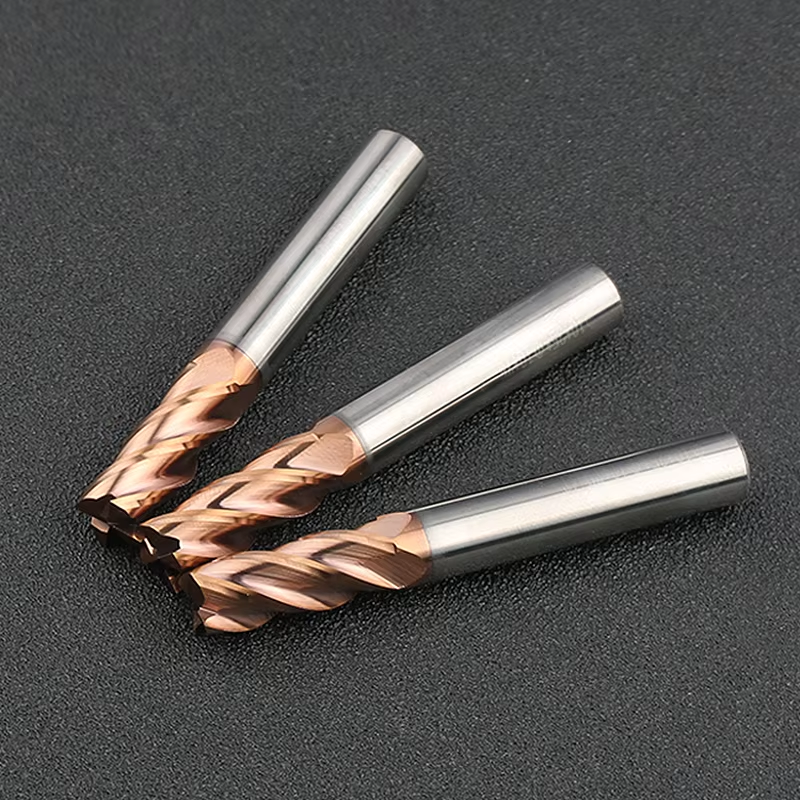
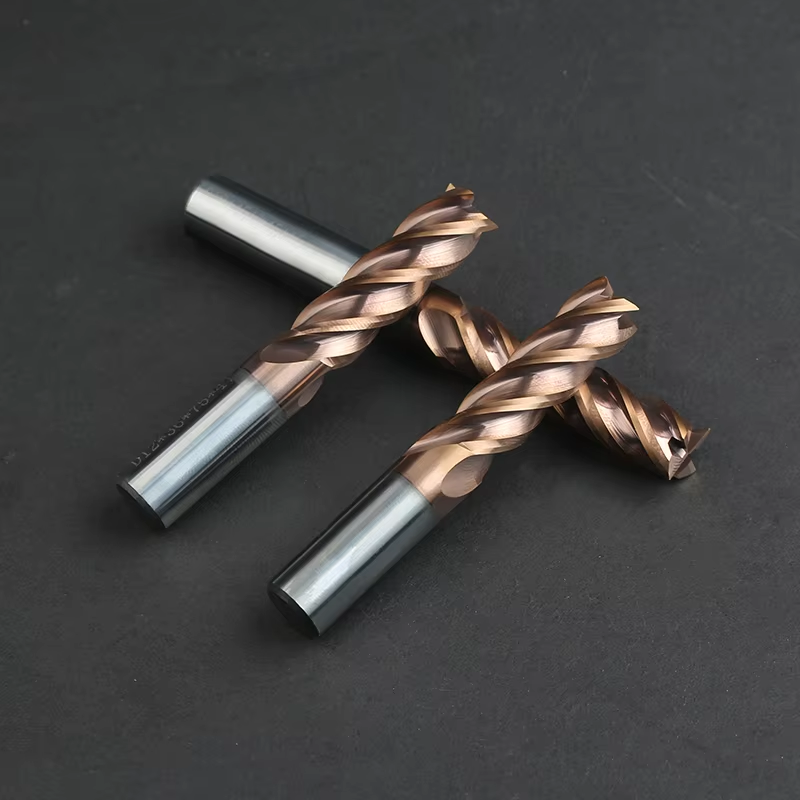
Having worked with Youyi Tool for years, I’ve witnessed end mills become a staple in machining workshops due to their versatile cutting edge design. Just five months ago, a mechanical processing client from Southeast Asia needed a single tool for slotting, profiling, and face milling on aluminum components—our 4-flute carbide end mill delivered seamless results, eliminating the need for multiple tool changes. At Youyi Tool, our end mills feature cutting edges on both the circumference (peripheral edges) and end face (end cutting edges), enabling both axial and radial cutting. The peripheral edges handle side milling and slotting, while the end cutting edges tackle face milling and plunge cutting. Our 2-flute end mills are ideal for roughing (fast material removal), 4-flute for finishing (smooth surface quality), and 6-flute for high-precision tasks. A mold maker in Europe used our 6-flute end mill to machine complex curved surfaces and reported a 35% improvement in efficiency compared to using separate tools. Dr. Wang, a machining technology expert, explains, “The dual cutting edge design of end mills makes them the most versatile tool in CNC machining, reducing setup time and increasing productivity.”
High-Quality Materials and Coatings for Durability
End mills from Youyi Tool are built to withstand harsh machining conditions, thanks to premium materials and advanced coatings. We use solid carbide (WC-Co) for most end mills, which offers exceptional hardness (HRC 90+) and wear resistance—perfect for processing stainless steel, titanium, and other hard metals. For less demanding applications, we offer high-speed steel (HSS) end mills with cobalt additions for enhanced toughness. Last year, a automotive parts manufacturer from North America struggled with premature tool wear when machining hardened steel—after switching to our TiAlN-coated carbide end mill, tool life increased by 200%. Our coatings (TiN, TiAlN, DLC) reduce friction, dissipate heat, and prevent material adhesion, extending tool life and improving surface finish. We also use cryogenic treatment on carbide end mills to reduce internal stress, further enhancing durability. A construction machinery client in Australia used our DLC-coated end mill for milling cast iron and noted that “the coating prevented chip welding, keeping the cutting edges sharp for twice as long as uncoated tools.” Dr. Li, a materials science expert, states, “The combination of high-quality substrates and advanced coatings makes modern end mills 3-5x more durable than uncoated HSS tools.”
Precision-Ground Geometry for Optimal Cutting Performance
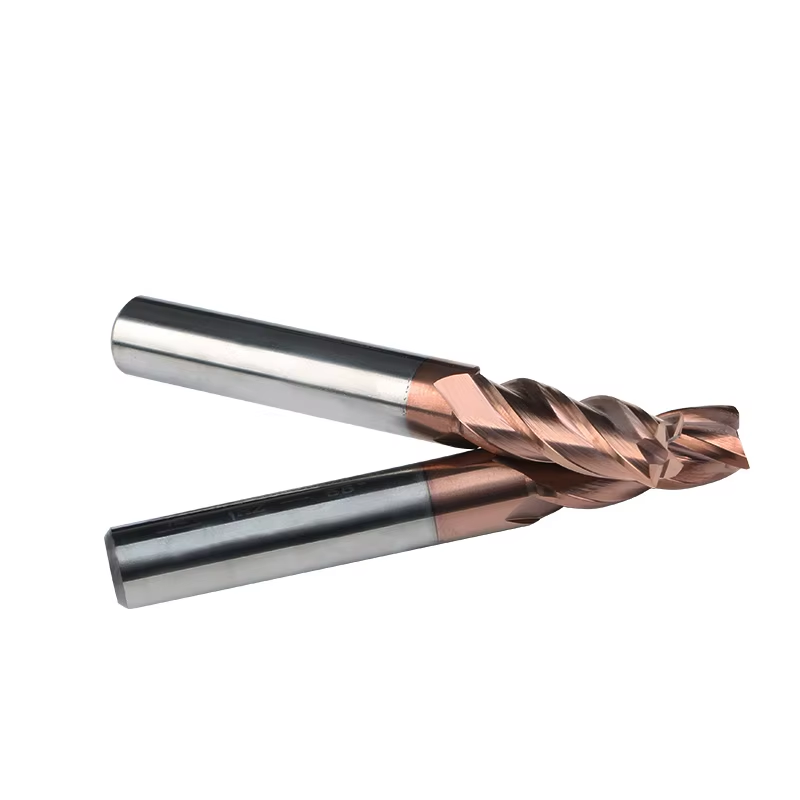
The geometric design of end mills plays a critical role in cutting efficiency and surface quality. At Youyi Tool, our end mills undergo precision grinding with tight tolerances (±0.002mm) to ensure consistent performance. We optimize key geometric features: helix angle (30°, 45°, or 60°) for different materials—shallow angles for soft metals (aluminum) to prevent chip clogging, and steep angles for hard metals (steel) to reduce cutting force. The rake angle is tailored to minimize tool wear: positive rake for soft materials (reduces cutting resistance) and negative rake for hard materials (enhances edge strength). Just three months ago, a furniture hardware manufacturer from Europe was experiencing poor surface finish on steel brackets—we recommended our 45° helix, negative rake end mill, which eliminated chatter and produced a smooth Ra 0.8μm finish. Our end mills also feature optimized flute geometry for efficient chip evacuation—wide flutes for soft materials (fast chip removal) and narrow, polished flutes for hard materials (reduced friction). A precision engineering client in Southeast Asia praised our end mill’s chip evacuation design, saying it “prevented chip buildup during deep slotting, avoiding tool breakage and rework.”
Multiple Flute Counts for Specific Machining Needs
End mills are available in various flute counts, each designed for specific machining scenarios. At Youyi Tool, we offer 2-flute, 4-flute, 6-flute, and 8-flute end mills to meet diverse needs. 2-flute end mills are ideal for roughing and slotting soft materials (aluminum, plastic) due to their large chip pockets, which prevent clogging. 4-flute end mills are the most versatile, balancing material removal rate and surface finish—suitable for both roughing and finishing of steel, stainless steel, and alloy metals. Last year, a electronics manufacturer from China used our 4-flute end mill for machining circuit board frames and achieved both fast production and high precision. 6-flute and 8-flute end mills excel at high-precision finishing, as the increased number of cutting edges reduces vibration and improves surface smoothness. A aerospace parts manufacturer in North America used our 8-flute end mill for finishing titanium components and reported a 50% reduction in surface roughness compared to 4-flute tools. Dr. Zhang, a machining dynamics expert, explains, “Flute count directly impacts cutting force distribution—more flutes mean smaller chip loads per edge, reducing vibration and tool wear.” We also offer variable flute end mills to minimize chatter during high-speed machining, a common issue with standard flute designs.
Customizable Designs and Application-Specific Solutions
At Youyi Tool, we understand that different machining applications require tailored end mill solutions. We offer customizable end mills, allowing clients to specify parameters like flute length, overall length, shank diameter, and coating type. Just four months ago, a medical device manufacturer from Europe needed an end mill with a extra-long flute (50mm) for deep slotting in stainless steel implants—we designed a custom 4-flute carbide end mill that met their exact requirements. Our application-specific end mills include ball nose end mills (for curved surfaces), square end mills (for sharp corners), and corner radius end mills (for fillet machining). We also produce specialized end mills for exotic materials like Inconel and carbon fiber, with optimized geometry and coatings to handle their unique properties. A composite materials client in Australia used our carbon fiber-specific end mill and noted that it “prevented delamination and fraying, producing clean cuts that required no post-processing.” Our R&D team works closely with clients to develop custom solutions, leveraging finite element analysis (FEA) to optimize end mill performance for specific materials and processes. Dr. Chen, a manufacturing innovation expert, states, “Customizable end mills enable workshops to achieve higher efficiency and quality by matching the tool to the exact application, rather than compromising with standard tools.”