
 EN
EN
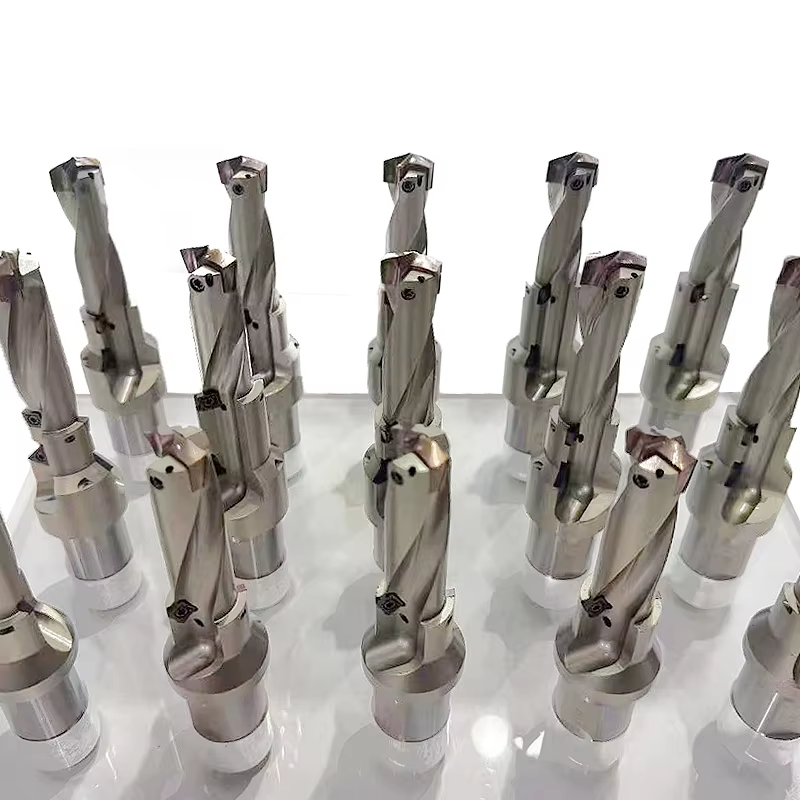
Understand the basic definition of twist drill point angles
Twist drill point angle is the angle formed by the two main cutting edges of a twist drill at the tip and it directly determines how the drill contacts the workpiece material this is a basic concept I explain to customers every day in technical services. Last year a small hardware factory came to us with a problem they used the same twist drill to drill holes in both aluminum plates and stainless steel bars resulting in serious burning when drilling stainless steel and rough hole walls when drilling aluminum. Our technical team first showed them the difference between different point angles of our twist drill products and explained that the point angle is not a fixed value but a key parameter adjusted according to processing needs. Our company has focused on the production of twist drill for more than 15 years and our product line covers a full range of twist drill with different point angles from the standard 118 degrees to the specialized 135 degrees and 90 degrees. Industry machining experts emphasize that the twist drill point angle is the core factor affecting the cutting force centering performance and chip removal effect of the drill bit. We clearly mark the point angle and applicable scenarios on every twist drill product and its packaging so that customers can quickly identify and select the most suitable twist drill for their processing tasks.
Master the standard 118 degree twist drill point angle
The 118 degree point angle is the most common standard specification for twist drill and it is the first choice for most general machining scenarios this is a conclusion I have summed up from serving thousands of general processing customers. A mechanical processing workshop that mainly deals with carbon steel and mild steel parts once bought non standard twist drill with random point angles due to lack of professional knowledge leading to low drilling efficiency and frequent drill breakage. After we recommended our 118 degree standard twist drill the workshop found that the drilling force was more balanced the centering was accurate and the service life of the twist drill was doubled. Our 118 degree twist drill is carefully designed and manufactured by our R&D team the chisel edge is optimized to reduce the axial force during drilling making it easier for operators to control the drill bit. Authoritative machining standards clearly stipulate that the 118 degree point angle is the optimal choice for general purpose drilling of carbon steel cast iron and non ferrous metals with medium hardness. We use high precision grinding equipment to process the 118 degree point angle of our twist drill ensuring that the two cutting edges are completely symmetrical which effectively avoids the deviation of the drill bit during drilling and guarantees the straightness of the hole.
Grasp the 135 degree twist drill point angle for difficult materials
The 135 degree point angle is a specialized design for processing difficult to machine materials and it has solved countless drilling problems for our customers in high hardness and high toughness material processing. An auto parts factory needed to drill holes in high strength alloy steel parts and the ordinary 118 degree twist drill they used always chipped at the tip and could not complete the drilling smoothly. We provided them with our 135 degree split point twist drill which features a self centering design and a sharper cutting edge. After using it the factory successfully drilled holes in alloy steel with high efficiency and the drill bit wear was significantly reduced. Our 135 degree twist drill is made of high quality carbide material and undergoes special heat treatment the tip toughness is enhanced to resist the impact force generated when drilling hard materials. Tool industry experts point out that the 135 degree point angle has a smaller chisel edge width which reduces the friction between the twist drill and the workpiece and improves the chip removal speed in high hardness material processing. We have optimized the flute design of our 135 degree twist drill to ensure that the chips can be discharged quickly without jamming which is crucial for drilling deep holes in difficult materials.
Learn about special twist drill point angles for specific scenarios
Special twist drill point angles are designed for unique machining scenarios and our company has developed a variety of customized twist drill products to meet these specific needs this is what I often introduce to customers with special processing requirements. A precision electronics manufacturer needed to drill small diameter holes in thin copper sheets and the ordinary twist drill caused burrs and even deformed the copper sheets. We recommended our 90 degree point angle twist drill which has a flat tip design and extremely sharp cutting edges specially developed for thin material drilling. After using it the burr problem was completely solved and the hole quality met the precision requirements of electronic products. In addition to the 90 degree angle we also produce twist drill with 60 degree point angles for center drilling and 140 degree point angles for deep hole drilling in cast iron. Industry machining professionals emphasize that choosing the right special point angle twist drill can greatly improve the processing quality and efficiency of specific tasks. Our technical team will conduct in depth communication with customers to understand their special processing scenarios and recommend the most suitable special point angle twist drill from our product line to ensure the best processing results.
Choose the right twist drill point angle based on actual processing needs
Choosing the right twist drill point angle ultimately depends on combining the workpiece material processing scenario and hole quality requirements this is a comprehensive selection principle I have summarized from years of practical experience. A comprehensive machining enterprise once faced the problem of low drilling efficiency due to the wrong selection of twist drill point angles for different processes. We sent a technical team to conduct on site investigations and formulated a detailed twist drill selection plan for them recommending 118 degree twist drill for their daily carbon steel processing 135 degree twist drill for alloy steel parts and 90 degree twist drill for thin plate processing. After implementing the plan the enterprise's drilling efficiency increased by more than 30 percent and the cost of twist drill replacement was reduced by nearly half. Our company not only provides a full range of twist drill with different point angles but also offers professional technical consulting services. We have compiled a detailed twist drill point angle selection manual based on authoritative machining data and our own production experience which is provided to customers for free. Industry economic research shows that selecting the appropriate twist drill point angle according to actual needs is an effective way to reduce production costs and improve processing efficiency for machining enterprises. Our perfect after sales service team will also follow up the use effect of the twist drill and provide timely adjustment suggestions to help customers always use the most suitable twist drill for their processing tasks.
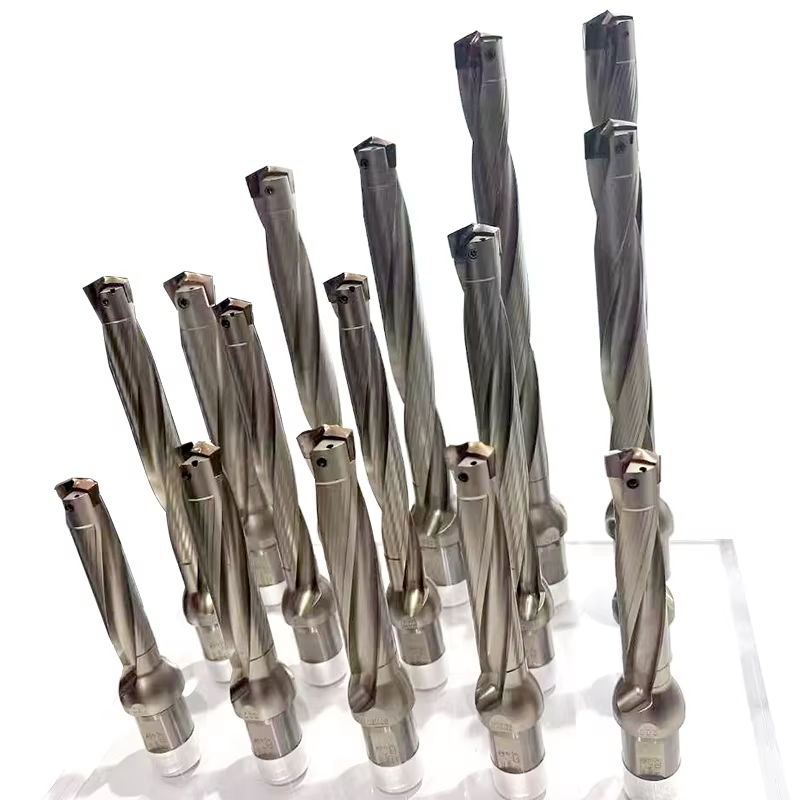
Table of Contents
- Understand the basic definition of twist drill point angles
- Master the standard 118 degree twist drill point angle
- Grasp the 135 degree twist drill point angle for difficult materials
- Learn about special twist drill point angles for specific scenarios
- Choose the right twist drill point angle based on actual processing needs