 EN
EN
What Exactly Is Carbide and Its Core Composition in Tooling
Carbide is the cornerstone material of modern precision tooling, a super-hard alloy that has completely redefined the performance of CNC cutting tools, and it’s far more durable and rigid than traditional high-speed steel. With over 15 years in the precision tool industry, I’ve watched carbide transform how manufacturers machine hard materials, and I always start by explaining its core makeup to new clients: carbide in tooling is primarily tungsten carbide (WC) mixed with a binder metal like cobalt (Co), sintered at ultra-high temperatures to form a dense, hard material. Our company sources only high-purity tungsten carbide raw materials for all our cutting tools, from carbide end mills to carbide inserts and twist drills, ensuring the carbide we use meets international advanced standards. Tool material experts define tooling carbide as a cemented carbide composite, with a hardness rating of up to HRA90—far exceeding the HRC60 of high-speed steel—making it resistant to wear, heat, and impact in the harshest machining conditions. Unlike low-grade carbide with impure raw materials, our carbide is uniformly mixed and precisely sintered, so every tool we produce has consistent hardness and performance, a reflection of our advanced R&D and production equipment that’s top-tier in the industry. For any manufacturer looking to upgrade their tooling, understanding carbide’s pure composition and high-performance properties is the first step to unlocking better machining results.
Why Carbide Is the Go-To Material for Modern CNC Tooling
Carbide has become the undisputed go-to material for modern CNC tooling, and its dominance comes down to a perfect blend of physical properties that solve the biggest pain points of traditional tool materials—something I’ve seen firsthand in working with hundreds of clients. A few years back, an automotive part manufacturer came to us struggling with constant tool wear when machining 42Cr steel; they were using high-speed steel tools that needed replacement every shift, slowing production to a crawl. After switching to our carbide-based tools—including carbide turning tool holders and diamond PCD inserts bonded to carbide substrates—their tool life jumped by 20 times, and production efficiency soared. CNC machining experts universally agree that carbide’s unbeatable combination of hardness, wear resistance, and thermal stability makes it ideal for CNC tooling: it holds its sharp edge at high cutting speeds, resists deformation under heat, and stands up to the heavy feed rates of modern machining centers. Our company leverages this material advantage to make a full range of carbide tools, from carbide drill bits and thread taps to carbide milling cutters, all designed to work with our ER32 collect chucks and SER1616 turning tool holders for seamless integration. Unlike high-speed steel that softens at high temperatures, carbide maintains its structural integrity, making it the only choice for high-volume, high-precision industrial machining—and our carbide tools take this advantage even further with custom coatings and precision engineering.
How Carbide Is Processed for Precision Tool Manufacturing
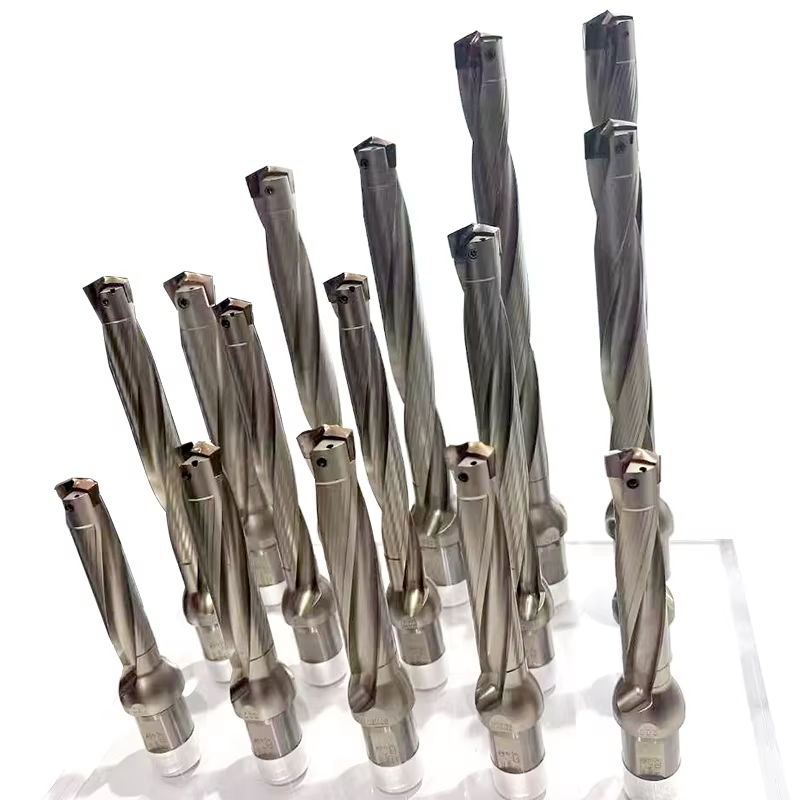
Turning raw carbide into high-performance precision tools is a complex, highly technical process that demands extreme precision, and our company has mastered every step of this process over 15 years of industry experience. I’ve led our production team through countless carbide processing optimizations, and the key steps boil down to four critical stages: powder mixing, pressing, sintering, and precision grinding. First, we mix high-purity tungsten carbide powder with cobalt binder in exact ratios—our advanced mixing equipment ensures no clumping, for a uniform carbide matrix. Next, the powder is pressed into the shape of the tool (inserts, end mill blanks, drill shanks) under high pressure, creating a dense green body. Then, the green body is sintered in ultra-high temperature furnaces (over 1400°C), fusing the powder particles into a solid, hard carbide part. Finally, we use CNC precision grinding machines to shape the carbide into finished tools, with cutting edges ground to tolerances of 0.001mm—matching the precision of our BAP300R/400R indexable milling cutter bars and crown deep hole U-drills. Tool manufacturing experts emphasize that carbide processing errors of even a fraction of a millimeter can ruin tool performance, and our strict quality assurance process checks every carbide part at each stage, from powder to finished tool. We also produce over 5 million carbide inserts yearly, so our processing line is refined for consistency and speed, ensuring every carbide tool we ship meets the same high standard of precision and durability.
The Different Carbide Tool Varieties We Offer for Diverse Machining Needs
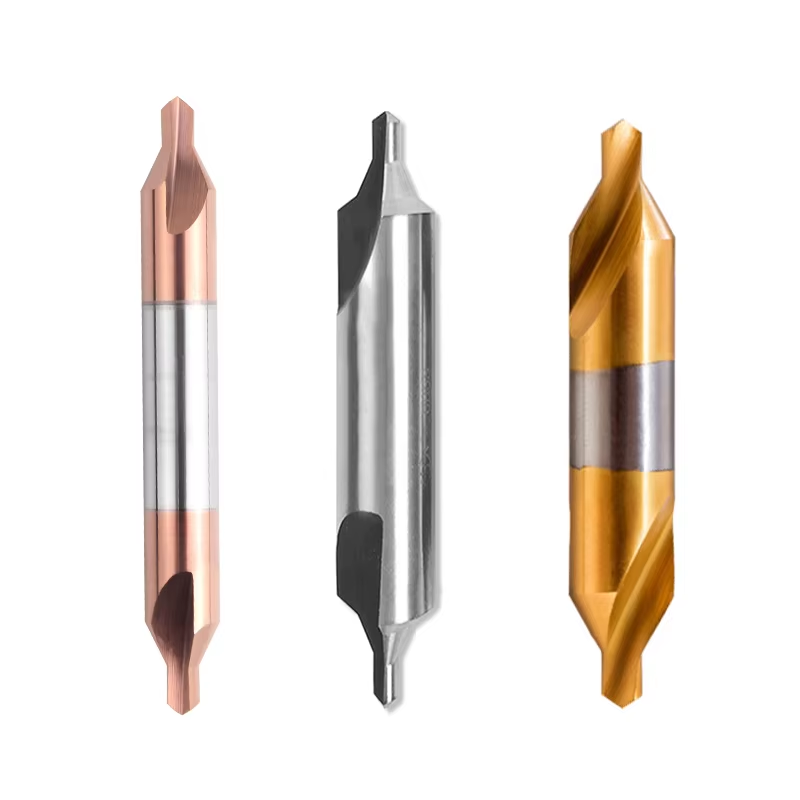
Carbide isn’t a one-size-fits-all material, and we’ve developed a diverse range of carbide tool varieties to match every possible machining need, from soft woodworking to heavy-duty hard metal drilling—this customization is a big reason our clients trust us as China’s largest supplier of metric/British/American system carbide inserts. In my daily work, I match clients with the right carbide tool based on their workpiece material and process: for soft materials like aluminum and wood, we offer uncoated fine-grain carbide tools that deliver clean, smooth cuts; for high-hardness metals like alloy steel and stainless steel, our coarse-grain carbide tools with Altin coating provide unmatched wear resistance; for ultra-precise mold manufacturing, our micrograin carbide tools with diamond PCD inserts achieve tolerances as tight as 0.01mm. Our carbide tool lineup covers every CNC application: carbide end mills for milling, carbide twist drills for drilling, carbide thread taps for threading, and carbide inserts for turning tool holders like MDJNR2020K15 and MTGNR2020K16. We also offer custom ODM/OEM carbide tools—for example, we designed a special carbide micro boring tool for a mold client, adjusting the carbide grain size and coating to fit their deep, ultra-precise boring needs. Every carbide tool we make is paired with our precision tooling accessories, so clients get a one-stop carbide tool solution that’s tailored to their exact machining process, no matter how unique it is.
How to Maximize the Performance of Carbide Tools in Machining
Investing in high-quality carbide tools is only half the battle—knowing how to use and maintain them to maximize performance is just as important, and our company provides full guidance and support to our clients on this, as part of our comprehensive after-sales service. I once had a long-term client who was underperforming with our carbide tools because they were using the wrong cutting fluid and skipping basic maintenance; after our technical team taught them the right practices, their carbide tool life increased by another 50%. CNC tool experts confirm that three key steps unlock carbide’s full potential: using the right cutting fluid (soluble oil for general carbide tools, neat oil for coated carbide), calibrating feed and speed to match the carbide grade and workpiece, and proper maintenance. For our carbide tools, we recommend cleaning cutting edges with a soft brush after each use to remove chip buildup, storing them in dedicated tool holders to avoid chipping, and using only professional sharpening equipment for dull carbide inserts—we even offer in-house carbide sharpening services for our clients. We also advise clients to pair our carbide tools with our precision clamping equipment, like ER collets and high-precision tool holders, to eliminate runout and vibration that waste carbide’s precision and durability. Our fast delivery capability and sufficient carbide tool inventory mean clients always have replacement tools on hand, and our professional technical team is always available to answer questions about carbide tool use and maintenance. By following these simple steps, clients get the most out of our carbide tools, with longer tool life, higher machining efficiency, and better part quality—proving why carbide is the gold standard in modern tooling, and why our carbide tools are the top choice for manufacturers worldwide.