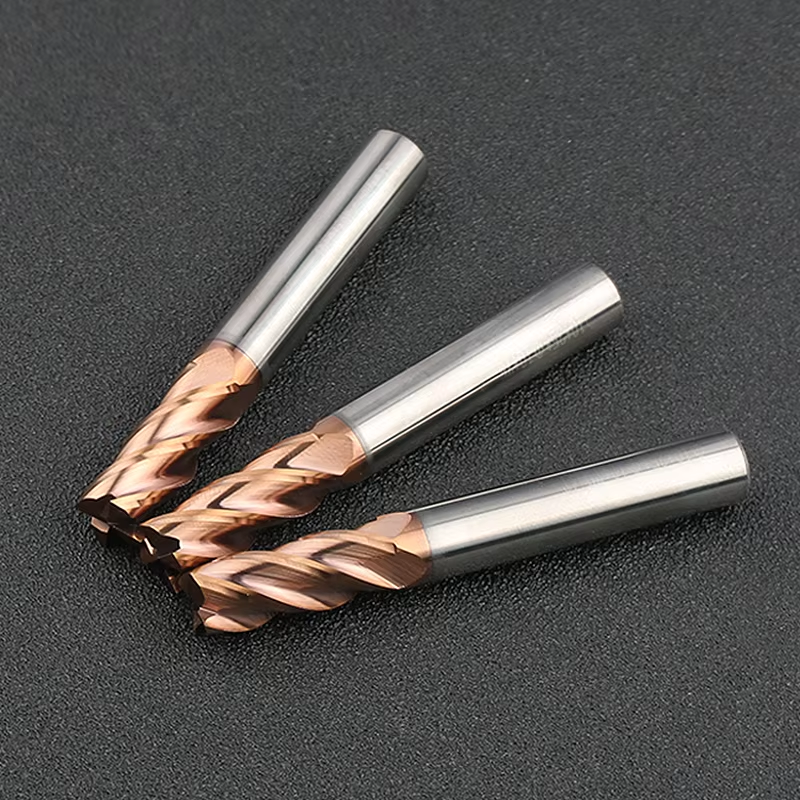
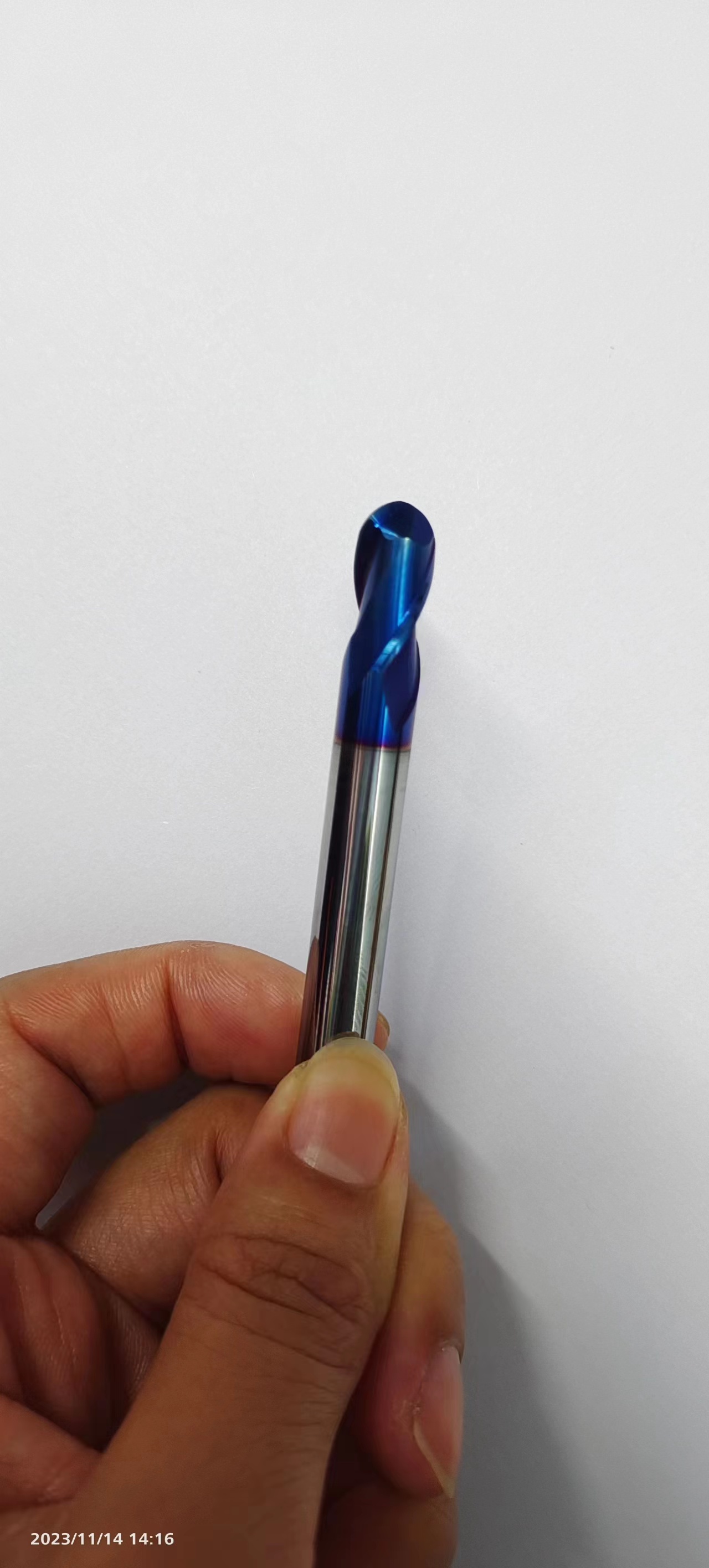
Understanding Carbide End Mill Cutting Speed for Optimal Performance
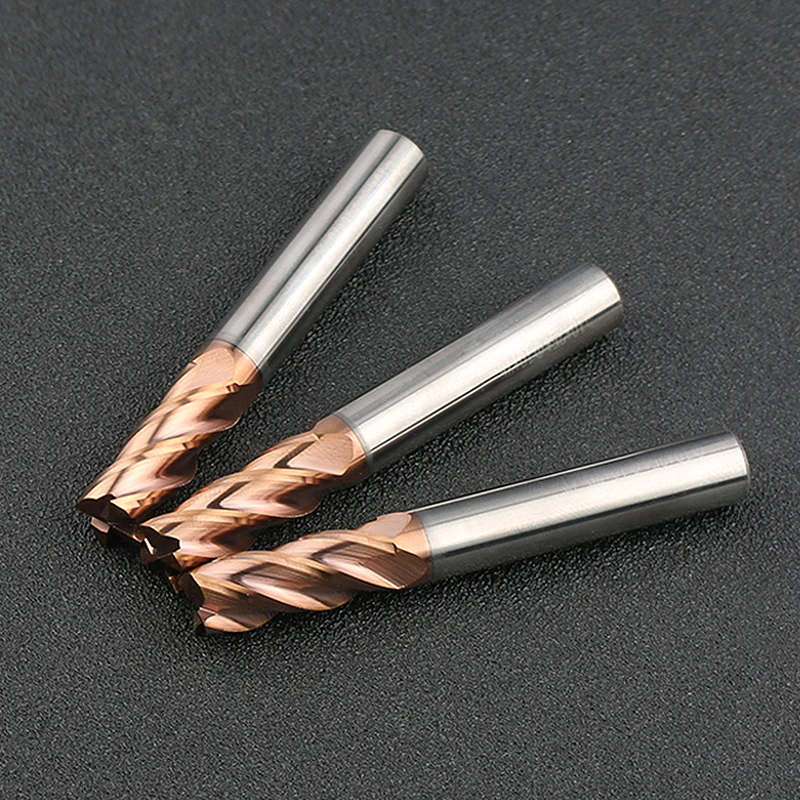
Carbide end mills are essential tools in the machining industry, renowned for their durability and efficiency. The cutting speed of carbide end mills is a critical factor that influences the overall performance and longevity of these tools. In this comprehensive guide, we will explore the various aspects of carbide end mill cutting speeds, including how to determine the optimal speeds for different materials, the impact of cutting speed on tool wear, and the relationship between cutting speed and feed rate. By understanding these elements, manufacturers can enhance their machining processes, reduce costs, and achieve superior surface finishes. Whether you are working with aluminum, steel, or other materials, knowing the right cutting speed for carbide end mills will help you maximize productivity and efficiency in your operations.
Get A Quote

 EN
EN