
 EN
EN
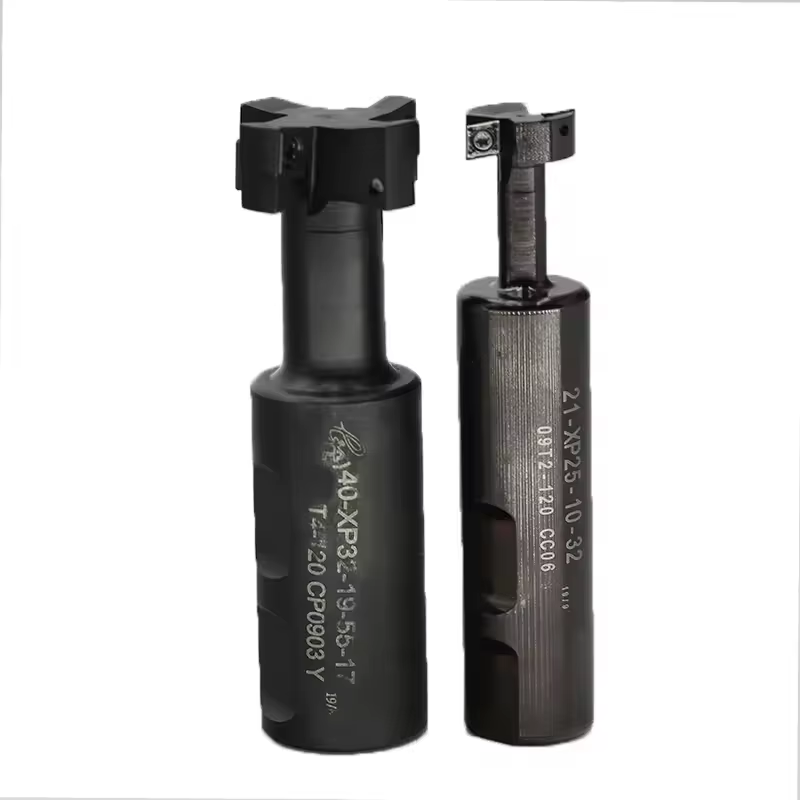
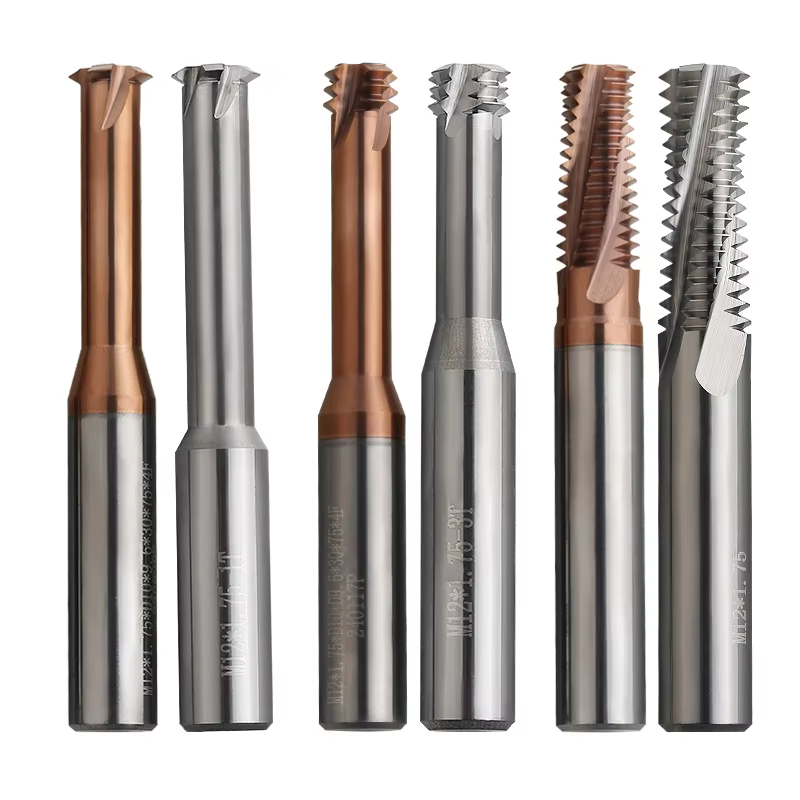
Superior hardness for machining hard materials
Carbide outperforms HSS in hardness by a significant margin and this advantage is decisive when working with hard materials a fact I confirmed with a gear manufacturing client last year. The client was producing gears from hardened steel and their HSS cutters would dull after cutting just two pieces leading to constant regrinding and production delays. We recommended our solid carbide end mills and indexable carbide inserts and the results were immediate the carbide tools cut through the hardened steel easily and maintained their sharpness for over 150 pieces. Our company uses premium tungsten carbide raw materials combined with cobalt binders to produce our carbide cutting tools ensuring a hardness of up to 90 HRA which is far higher than the 65 to 68 HRA of standard HSS tools. Industry materials science experts explain that carbide retains its hardness even at Rockwell hardness levels above 50 making it the only practical choice for hard turning and hard milling applications. We offer a full range of carbide grades each formulated for specific hard materials like stainless steel heat resistant alloys and hardened steel so customers always have the right carbide tool for the job.
Higher heat resistance for high speed machining
Carbide excels in heat resistance allowing it to perform flawlessly in high speed machining where HSS would quickly lose its cutting ability. A motorcycle parts factory wanted to increase their milling speed to meet rising demand but their HSS tools would soften and fail at the high temperatures generated by fast spindle speeds. We supplied them with our TiAlN coated carbide end mills which can withstand operating temperatures up to 1000 degrees Celsius compared to HSSs limit of around 600 degrees. After the switch they doubled their spindle speed and cut their production cycle time by 40 percent without any tool failure. Our carbide products undergo a precise sintering process that enhances their thermal stability and our advanced coatings further insulate the carbide core from heat. Machining technology research shows that carbide tools can operate at cutting speeds three to five times faster than HSS tools due to their superior heat resistance. We provide detailed speed and feed charts for all our carbide products helping customers maximize their machining efficiency while protecting their carbide tools from overheating.
Longer tool life reduces replacement costs
The exceptional wear resistance of carbide translates to much longer tool life compared to HSS directly reducing a shops tool replacement costs. A general machining workshop was spending a large portion of their budget on HSS twist drills replacing them daily for drilling stainless steel. We suggested they switch to our carbide twist drills and their tool replacement frequency dropped to once every two weeks a reduction of over 80 percent. Our carbide tools are manufactured with a fine grain structure that minimizes wear and chipping even under heavy cutting conditions. Tool industry cost analysis reports confirm that although carbide tools have a higher initial cost their longer service life makes them more cost effective than HSS in the long run for most production applications. We offer our carbide tools in both standard and custom configurations and our bulk pricing options make it even more affordable for factories to switch from HSS to carbide and enjoy the long term cost savings.
Better dimensional stability for precision machining
Carbide maintains its shape and cutting geometry far better than HSS ensuring consistent dimensional accuracy in precision machining operations. A medical parts manufacturer was struggling with inconsistent hole sizes when drilling bone screws using HSS drills which would bend slightly under cutting pressure. We replaced their HSS drills with our solid carbide micro drills which have extremely high rigidity and zero deflection during use. The result was perfectly sized holes every time with a dimensional tolerance of plus or minus 0.002 millimeters meeting the strict standards of the medical industry. Our carbide tools are precision ground to tight tolerances and their high modulus of elasticity prevents bending and vibration during cutting. Precision engineering experts emphasize that the low deflection of carbide tools is critical for achieving tight tolerances and smooth surface finishes in micro machining and high precision turning. We provide a precision inspection certificate with every carbide tool verifying its dimensional accuracy and cutting edge quality giving customers complete confidence in their precision machining processes.
Higher material removal rates boost productivity
Carbides ability to handle higher feeds and speeds combined with its rigidity allows for much higher material removal rates than HSS significantly boosting overall productivity. A heavy machinery factory was roughing large cast iron components using HSS face mills which required multiple passes and slow feed rates to avoid tool damage. We installed our heavy duty carbide face mills on their machines and they were able to remove material at three times the rate of their old HSS tools completing each component in a single pass. Our carbide tools feature optimized flute geometries and strong cutting edges designed to handle heavy chip loads and aggressive cutting parameters. Manufacturing productivity studies show that switching from HSS to carbide tools can increase overall machining productivity by 50 to 100 percent in roughing and semi finishing operations. We work closely with our customers to analyze their machining processes and recommend the best carbide tools to maximize their material removal rates and reduce their overall production time.