 EN
EN
Match the lathe tool material to the workpiece hardness
Choosing the right lathe tool always begins with matching its material to the hardness of your workpiece and this is the first rule I teach every new client in turning consultations. Last summer a machinery shop specializing in axle parts struggled with turning 40CrMo alloy steel they used a common HSS lathe tool which dulled after every five parts and caused frequent rework. We analyzed their material hardness and recommended our carbide lathe tool with a TiAlN coating and immediately their tool life extended to over 200 parts per cutter with zero rework. Our company produces a full range of lathe tool materials including HSS carbide and ceramic each engineered for specific hardness ranges. Industry turning experts confirm that HSS lathe tool works best for materials below 30 HRC while carbide lathe tool is essential for hard steels and alloys above 45 HRC. We clearly label every lathe tool with its material compatibility and hardness rating so customers never waste time on mismatched tools ensuring efficient turning from the first cut.
Select the correct lathe tool geometry for turning operations
Lathe tool geometry directly determines turning performance and this is a detail I emphasize to avoid common mistakes like chatter or poor surface finish. A precision parts manufacturer came to us with issues they were turning thin walled copper sleeves and getting excessive vibration with their standard positive rake lathe tool. We switched them to our negative rake carbide lathe tool with a reinforced cutting edge designed for low vibration in delicate work. The vibration stopped immediately and their surface finish improved to meet the customer’s strict standards. Our lathe tool product line covers all key geometries including positive rake negative rake and neutral rake each optimized for specific operations. Authoritative machining guides state that positive rake lathe tool reduces cutting force for soft materials while negative rake lathe tool offers stability for heavy roughing and hard turning. We help customers select the right geometry by analyzing their operation whether it’s rough turning finish turning or grooving ensuring our lathe tool delivers optimal results every time.
Choose the right coating for lathe tool to reduce wear
Coatings are a game changer for lathe tool longevity and I’ve seen them transform high wear turning jobs into smooth efficient processes. A foundry that turns cast iron daily was replacing their uncoated lathe tool twice per shift due to rapid flank wear. We recommended our CVD coated carbide lathe tool which is specially formulated to resist abrasion from cast iron particles. After the switch they only change tools once every three shifts cutting their tool consumption by over 60 percent. Our company offers a complete coating system for lathe tool including TiN TiCN TiAlN and CVD each targeting specific turning conditions. Tool industry research shows that a properly coated lathe tool can last three to five times longer than an uncoated one by reducing friction and heat buildup. We test every coating on our lathe tool in real world turning environments ensuring they hold up to the demands of continuous production and deliver consistent performance.
Consider the lathe tool holder compatibility and stability
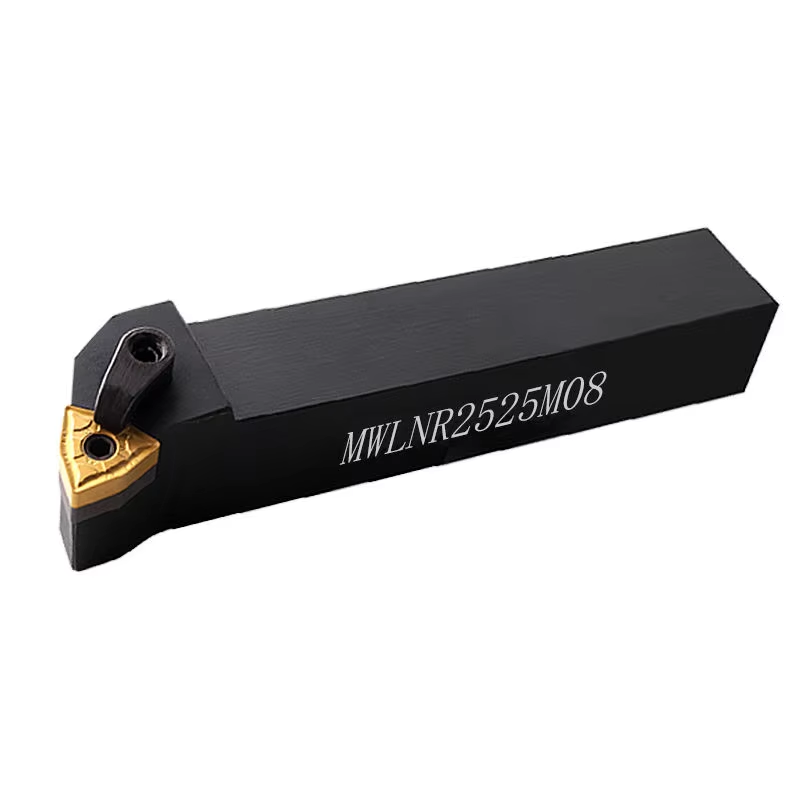
Lathe tool holder compatibility is often overlooked but it is critical for turning accuracy and safety a lesson I learned from a customer incident a few years ago. A job shop experienced a lathe tool breakage that damaged their machine spindle they had mounted a heavy carbide lathe tool on a low strength universal holder. We replaced their setup with our precision matched lathe tool holder and insert system which locks securely and distributes cutting forces evenly eliminating the risk of breakage. Our lathe tool products are designed to fit all standard tool holders including quick change and indexable holders with strict dimensional tolerances. CNC turning experts emphasize that a stable lathe tool holder connection eliminates runout which is the main cause of inconsistent part dimensions and premature tool failure. We offer custom lathe tool holder solutions for special turning applications and provide detailed installation guides to ensure our lathe tool is mounted correctly for maximum stability and precision.
Evaluate the lathe tool type for production volume and precision
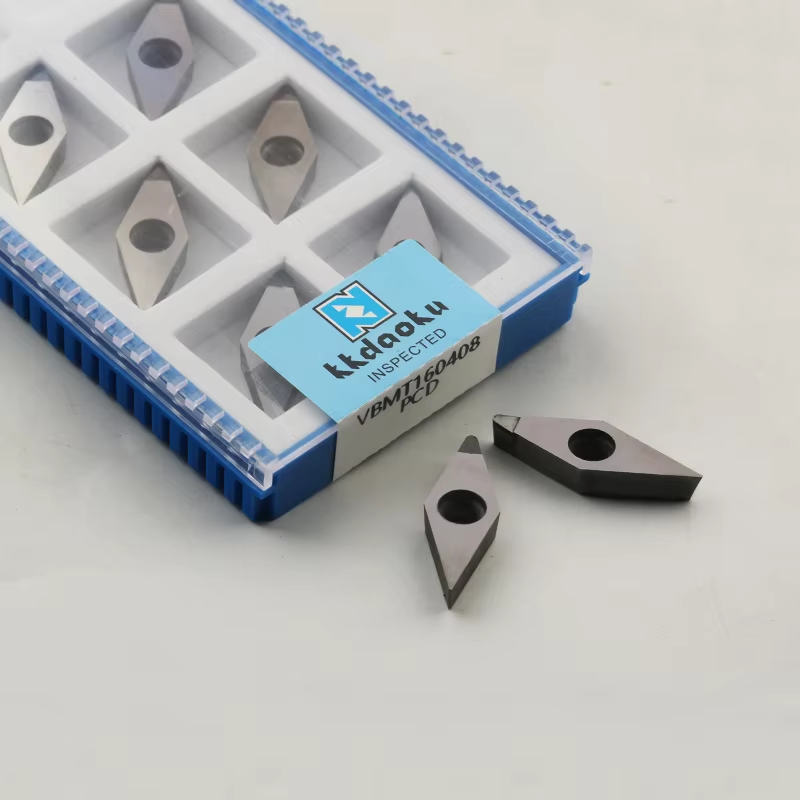
Selecting the right lathe tool type depends on your production volume and precision requirements and this is the final step in making a confident choice. A small repair shop that does one off turning jobs needed a flexible solution so we recommended our solid HSS lathe tool which is cost effective and easy to regrind for different tasks. A large auto parts factory with mass production lines needed consistency so we supplied our indexable carbide lathe tool system which allows fast insert changes and maintains uniform precision. Our company caters to all production scales with a diverse lathe tool lineup from solid tools for small batches to indexable tools for high volume runs. Industry manufacturing analysts note that indexable lathe tool is more economical for mass production while solid lathe tool offers better value for low volume custom work. We provide free production analysis for customers matching them with the perfect lathe tool type to balance cost efficiency and precision for their specific turning needs.