 EN
EN
What Is a Twist Drill and Its Core Structural Features
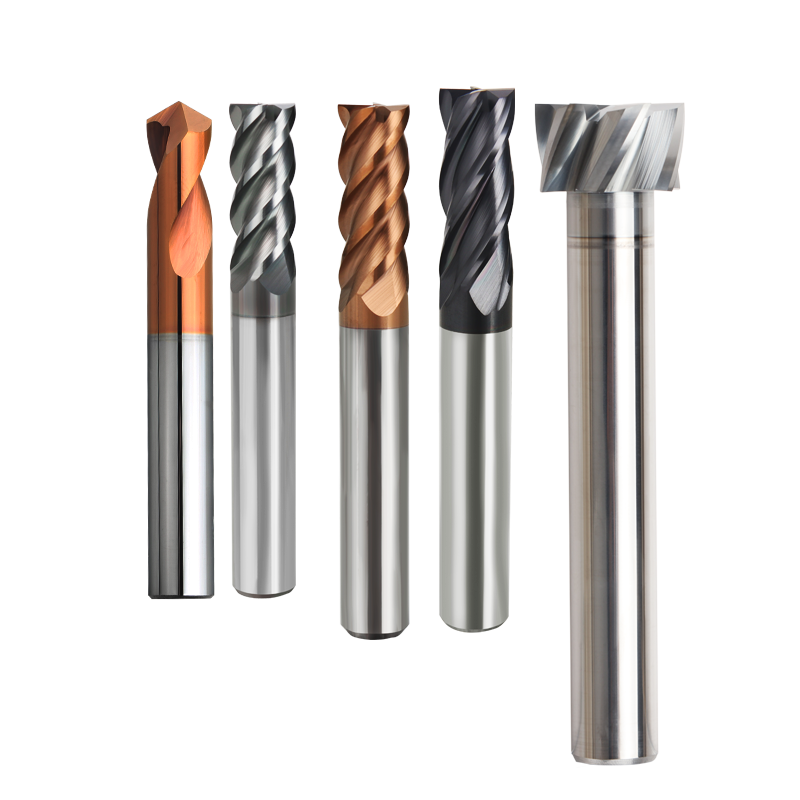
A twist drill is the most common and essential drilling tool in CNC machining and conventional metalworking, a staple that every workshop can’t do without, and its unique spiral design is what sets it apart from other drill bits. With over 15 years in the precision tool industry, I’ve explained the basics of twist drills to countless new machinists and clients, and the first thing I point out is its iconic helical flutes—these aren’t just for looks, but the heart of how the tool works. Our company’s twist drills are crafted with high-grade carbide and diamond PCD inserts, built with a precision-machined shank, tapered body, and sharp cutting edges, plus deep, smooth helical flutes that are calibrated for optimal chip removal. CNC machining experts define a twist drill as a rotary cutting tool with two spiral flutes that run the length of the drill body, which create the cutting edges and serve as channels for chip evacuation and cutting fluid flow. Unlike generic twist drills on the market, our products feature a reinforced web design that boosts rigidity, preventing bending or breaking during high-speed drilling, and our precision grinding process ensures the cutting edges are perfectly symmetrical—this symmetry is what guarantees straight, accurate holes every time. Whether it’s our standard carbide twist drills or the ones paired with our crown deep hole U-drill systems, every twist drill we make is engineered to the strictest precision standards, a reflection of our position as a leading tool manufacturer in China’s largest tool market.
The Fundamental Working Principle of a Twist Drill
Understanding how a twist drill works is key to using it effectively, and it all comes down to the synergy of its spiral flutes and cutting edges during rotary and axial movement—something I’ve seen make or break drilling projects for many clients. I once worked with a small manufacturing shop that was struggling with messy, off-center holes, and it turned out their machinists didn’t understand that a twist drill’s cutting edges do all the material removal, while the flutes handle the rest. When our twist drill is mounted in a CNC lathe or machining center (paired with our ER32 collect chucks for a secure hold), it spins at a high speed and moves forward axially; the two main cutting edges at the drill’s tip shear off material from the workpiece, and the helical flutes immediately pull the metal chips out of the drill hole, while also guiding cutting fluid to the cutting zone to cool the drill and lubricate the process. Professional machining handbooks and industry technical guides all confirm that the helix angle of a twist drill directly impacts its performance—our R&D team designs our twist drills with custom helix angles (118° for general metal drilling, 135° for hard materials like 42Cr steel) to match different machining needs, ensuring efficient cutting and minimal friction. This tailored design means our twist drills don’t just drill holes—they do it with less heat, less wear, and far more precision than one-size-fits-all twist drills, a testament to our advanced manufacturing technology and 15 years of industry expertise.
General Industrial Uses of Twist Drills in Routine Machining
Twist drills are the workhorses of routine industrial machining, with a wide range of basic uses that make them indispensable in almost every manufacturing sector, and our twist drills excel in all these everyday applications thanks to their high quality and durability. In my day-to-day work with clients, I see our twist drills used for everything from drilling pilot holes for taps (paired with our thread taps for seamless threading) to creating small mounting holes in woodworking machine parts—our ER11, ER16, and ER20 chuck-compatible twist drills are a favorite among woodworking and light metal machining shops for their smooth, clean drilling. For general metal fabrication, our standard carbide twist drills are perfect for drilling mild steel, aluminum, and copper, producing precise holes with no burrs and minimal rework needed. CNC machining experts note that twist drills are the go-to tool for all primary drilling tasks, as they’re easy to use, compatible with almost all drilling equipment, and can be adapted for different hole sizes with simple tool changes. Our company produces twist drills in a full range of diameters, from micro drills for tiny electronic component holes to larger drills for industrial structural parts, and our sufficient inventory means clients can get the exact twist drill they need for routine machining with fast delivery—no more waiting weeks for replacement tools that slow down production. For any workshop doing basic drilling work, our twist drills are the reliable, cost-effective choice that keeps day-to-day manufacturing running smoothly.
Specialized Uses of Twist Drills in High-Precision and Heavy-Duty Machining
While twist drills are great for routine work, they’re also highly adaptable for specialized high-precision and heavy-duty machining—and our company’s engineered twist drills are specifically designed to meet these demanding industrial uses. I had a client in the mold manufacturing industry that needed ultra-precise deep holes for mold cores, and our custom carbide twist drills (paired with our micro boring tools for finishing) delivered the 0.01mm tolerance they required, a feat that generic twist drills simply couldn’t achieve. For heavy-duty machining, like drilling thick steel plates or high-hardness alloy parts, our reinforced twist drills with diamond PCD inserts stand up to the pressure, maintaining their sharpness even after hours of continuous drilling—far better than high-speed steel twist drills that wear out quickly. We’re also China’s leading supplier of twist drills compatible with metric, British, and American machining systems, making our products ideal for international manufacturing facilities that need to drill holes for standardized parts and components. Industry precision machining experts emphasize that twist drills can be optimized for specialized use with material upgrades and design tweaks, and that’s exactly what we do: our deep-hole twist drills feature an inner cooling channel that works with our crown deep hole U-drill’s cold shedding system, delivering cutting fluid directly to the drill tip for high-precision deep drilling without overheating. Whether it’s mold making, automotive part manufacturing, or heavy machinery production, our twist drills are built to handle the most specialized and demanding drilling tasks with ease.
How to Maximize the Uses of a Twist Drill with Proper Matching and Maintenance
A twist drill’s full range of uses can only be unlocked with proper tool matching and regular maintenance—and our company not only makes top-quality twist drills, but also provides the expertise and support to help clients get the most out of them, a key part of our one-stop service promise. I once had a long-term client who was underusing their twist drills because they were pairing them with low-quality chucks and skipping basic maintenance; after our technical team showed them how to pair our twist drills with our high-precision SER1616 turning tool holders and follow a simple maintenance routine, their drill’s service life tripled, and they were able to use the same twist drill for multiple machining tasks (pilot drilling, counterboring, light reaming). To maximize a twist drill’s uses, it’s critical to pair it with the right clamping equipment—our ER collet chucks and custom drill holders ensure the twist drill is held perfectly straight, eliminating runout and expanding its ability to drill precise holes in different materials. Regular maintenance is also key: our technical team recommends cleaning the twist drill’s flutes with a soft brush after each use to remove chip buildup, sharpening the cutting edges with our professional sharpening tools when dull, and storing the drill in a dedicated holder to avoid bending the shank or dulling the edges. CNC tool maintenance experts confirm that proper care can extend a twist drill’s service life by 50% or more, and our comprehensive after-sales service includes free maintenance guidance and professional sharpening services for all our twist drill products. With the right matching and maintenance, our high-quality twist drills become even more versatile, adapting to an even wider range of drilling uses and delivering greater value for our clients’ manufacturing processes.