
 EN
EN
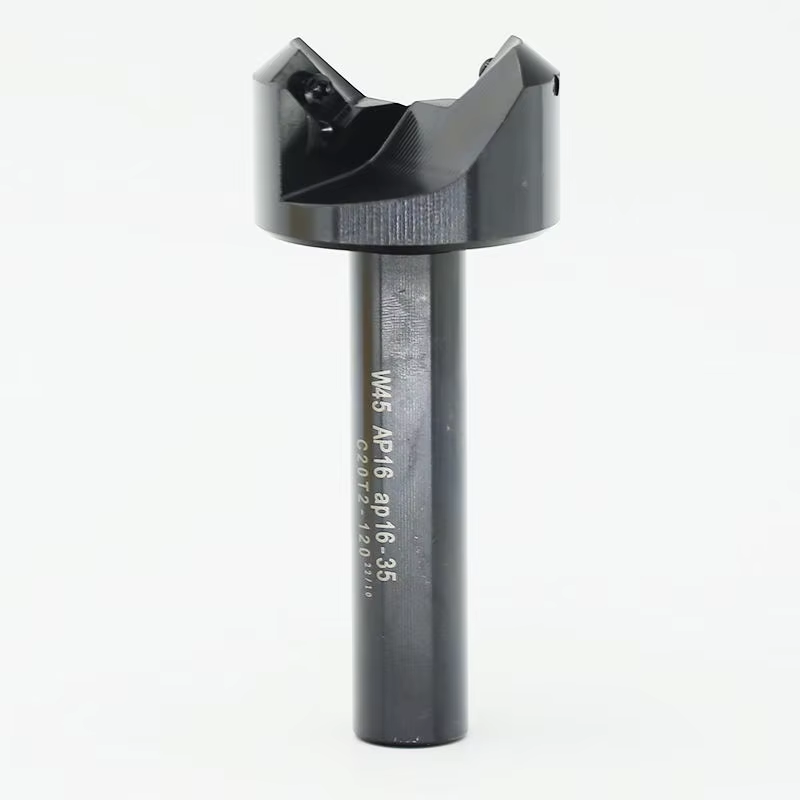
Master the basic manual sharpening skills for lathe tool
Manual sharpening is the most basic and practical method for lathe tool and this is a skill I have taught to hundreds of on-site operators in my years of technical service. A small machining factory once came to us with a problem their operators lacked proper manual sharpening skills for lathe tool the cutting edges were always uneven which led to poor machining quality and frequent tool damage. Our technical team conducted on-site training for their staff teaching them the correct angle control and grinding sequence for our alloy lathe tool and after a short period of practice their machining quality improved significantly and the service life of the lathe tool was doubled. Our company produces a variety of lathe tool with different materials and specifications each type of lathe tool has a targeted sharpening standard designed according to its material characteristics such as carbide lathe tool needs to control the grinding speed to avoid overheating and edge chipping. Industry machining experts point out that manual sharpening of lathe tool focuses on three key points the rake angle the relief angle and the cutting edge angle and the three angles must be matched according to the processed material. Our technical team has compiled a detailed manual sharpening guide for our lathe tool products which clearly marks the standard angles for different processed materials and grinding steps making it easy for operators to master the basic skills quickly.
Use professional mechanical sharpening for batch lathe tool processing
Mechanical sharpening is the best choice for batch sharpening of lathe tool and I have seen many large manufacturing enterprises improve their production efficiency by using this method with our lathe tool. A large auto parts processing enterprise used to sharpen lathe tool manually in batches which not only took a lot of time but also caused inconsistent sharpening quality of the lathe tool leading to unstable product processing accuracy. After we recommended matching professional mechanical sharpening equipment for our customized lathe tool their sharpening efficiency increased by more than three times and the consistency of the lathe tool cutting edges was fully guaranteed. Our company's lathe tool products are designed with standardized structural dimensions which are perfectly compatible with various professional mechanical sharpening equipment on the market and can achieve precise and efficient sharpening. Professional tool manufacturing standards clearly state that mechanical sharpening can effectively ensure the dimensional accuracy and angle consistency of the lathe tool cutting edge which is far better than manual sharpening for batch processing. We can also provide exclusive mechanical sharpening parameter schemes for customers according to the type of our lathe tool and their processing needs including grinding speed feed rate and grinding wheel selection to help customers achieve the best sharpening effect.
Select the right grinding wheel for different lathe tool materials
Choosing the appropriate grinding wheel is a prerequisite for effective sharpening of lathe tool and this is a key point I always emphasize when communicating with customers about lathe tool maintenance. A hardware processing plant once used the same grinding wheel to sharpen all types of lathe tool which resulted in serious wear of the grinding wheel when sharpening carbide lathe tool and poor sharpening effect of high speed steel lathe tool. We provided them with a targeted grinding wheel selection plan for our lathe tool products recommending diamond grinding wheels for carbide lathe tool and corundum grinding wheels for high speed steel lathe tool and the sharpening effect was improved immediately. Our company has in-depth research on the matching of lathe tool materials and grinding wheels and all our lathe tool product manuals are attached with detailed grinding wheel selection suggestions. Tool industry experts point out that the hardness and abrasive material of the grinding wheel must be matched with the lathe tool material otherwise it will not only affect the sharpening quality but also damage the lathe tool base material. For our special material lathe tool such as diamond PCD lathe tool we also provide customized special grinding wheels to ensure that the sharpening process does not damage the cutting edge and maintains the original high hardness and wear resistance of the tool.
Pay attention to the cooling and heat treatment in lathe tool sharpening
Cooling and heat treatment during sharpening are crucial to protect the performance of lathe tool and this is a practical experience I summed up from a lot of on-site sharpening practice. A machining workshop once ignored the cooling link when sharpening lathe tool the carbide lathe tool was overheated and annealed which led to the softening of the cutting edge and rapid wear during use. Our technical staff guided them to use the special cooling liquid matching our lathe tool for continuous cooling during sharpening and the problem of cutting edge softening was completely solved. Our company has developed a special cooling liquid for the sharpening of our lathe tool products which has good cooling and lubricating effects and can effectively reduce the temperature of the lathe tool during grinding avoid thermal deformation and annealing of the tool. Authoritative metal processing data shows that more than 60 percent of lathe tool performance damage is caused by improper cooling during sharpening which leads to changes in the internal structure of the tool material. In addition we also remind customers to carry out simple heat preservation treatment for the lathe tool after sharpening to eliminate the internal stress generated during grinding and further improve the stability and service life of the lathe tool cutting edge.
Adhere to the post sharpening inspection and maintenance of lathe tool
Post sharpening inspection and regular maintenance are important to ensure the use effect of lathe tool and this is a management experience I have summarized from cooperating with many well managed machining enterprises. A precision machinery manufacturing company has been adhering to the post sharpening inspection system for our lathe tool checking the cutting edge flatness angle accuracy and chip removal groove smoothness of each sharpened lathe tool and their lathe tool failure rate during use is far lower than the industry average. Our company provides special inspection tools for our lathe tool customers including angle gauges and cutting edge detectors which can quickly and accurately detect the sharpening quality of the lathe tool. Industry quality control standards clearly require that all sharpened lathe tool must pass strict performance inspection before use to avoid unqualified lathe tool affecting machining quality and production safety. We also provide customers with a complete lathe tool maintenance plan including the storage method of sharpened lathe tool the regular maintenance cycle and the repair method of minor cutting edge damage. Our professional after-sales service team can also provide on-site maintenance guidance for customers lathe tool at any time helping customers maximize the service life of the lathe tool and reduce the production cost caused by tool replacement.
Table of Contents
- Master the basic manual sharpening skills for lathe tool
- Use professional mechanical sharpening for batch lathe tool processing
- Select the right grinding wheel for different lathe tool materials
- Pay attention to the cooling and heat treatment in lathe tool sharpening
- Adhere to the post sharpening inspection and maintenance of lathe tool